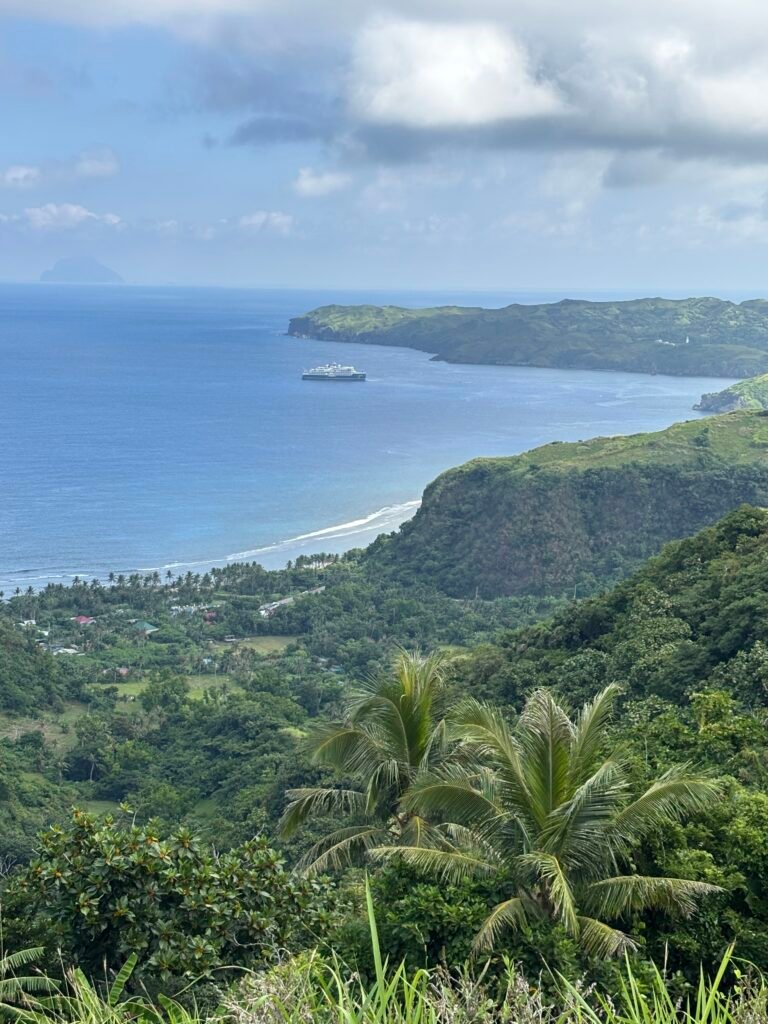
Day 2 Vigan and Salomague Port
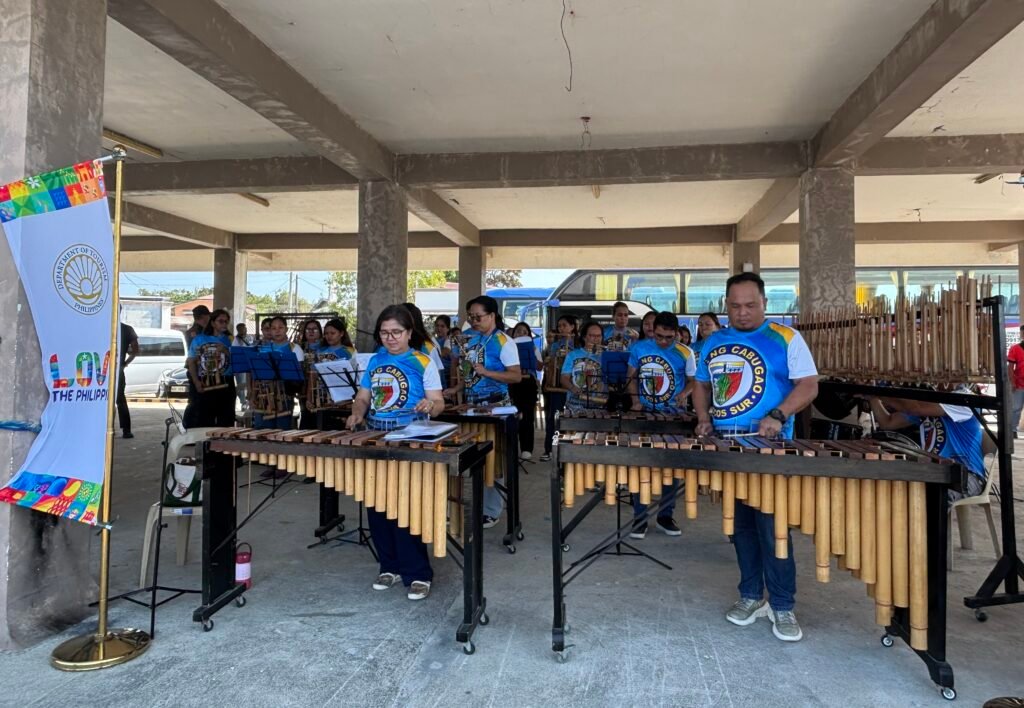
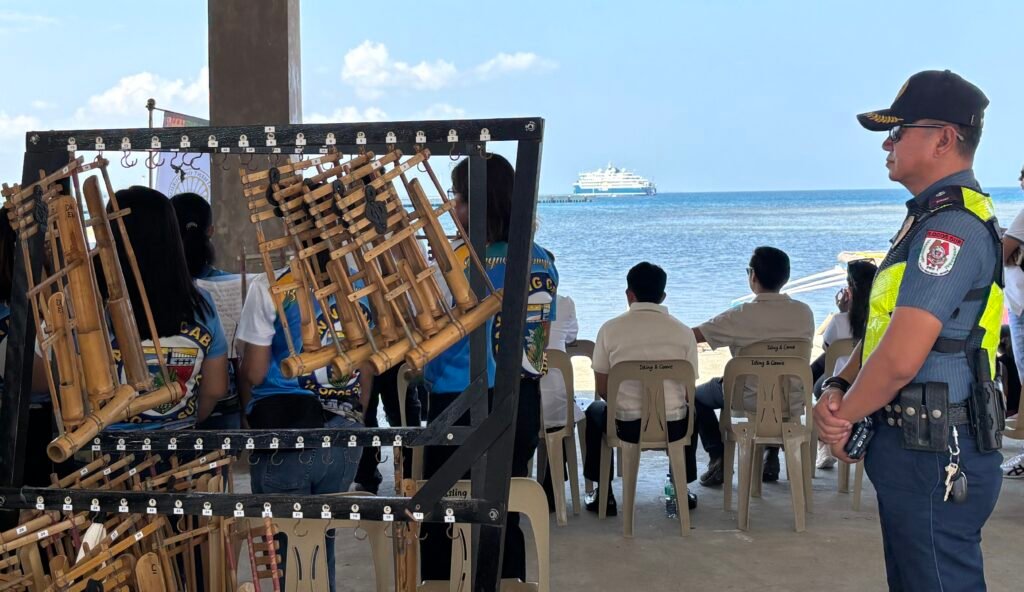
Donning our black lifejackets, we take motorized zodiac rafts to the Salomague Port in Ilocos Sur Province. Although cruise ships have begun stopping here in the last few years, they are infrequent (there was one in January and now ours in May), and there is no easy docking so we climb up concrete stairs. We hear music, see welcome signs, and are greeted upon reaching the landing by a whole high school orchestra, playing some unique looking bamboo instruments.
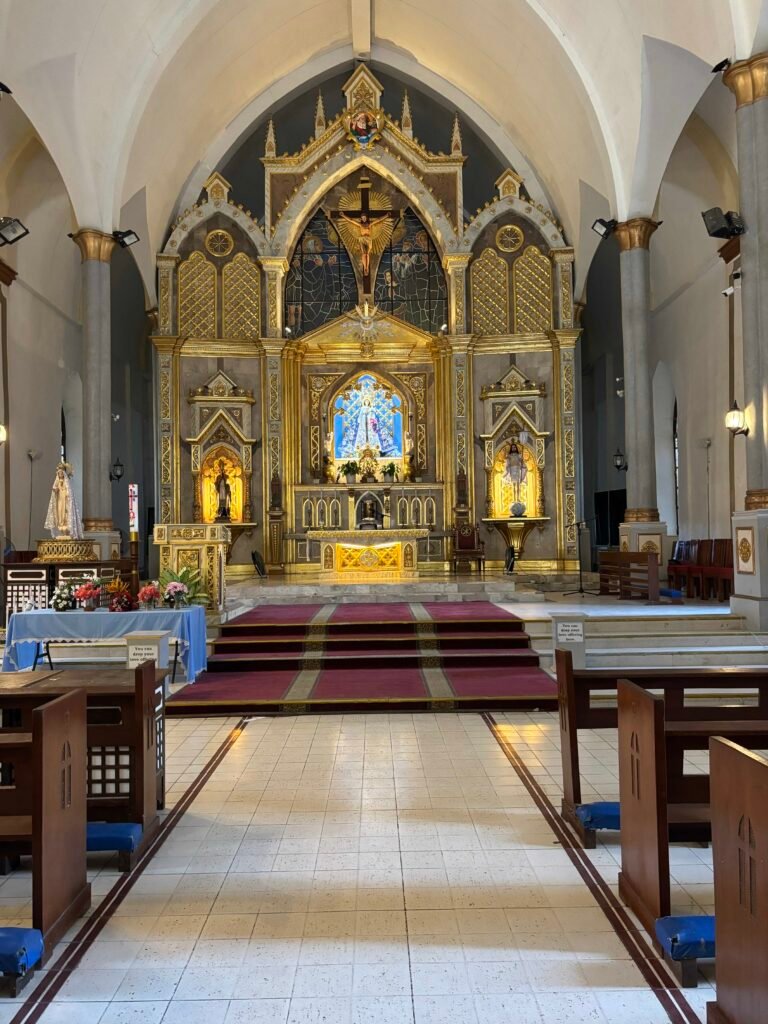
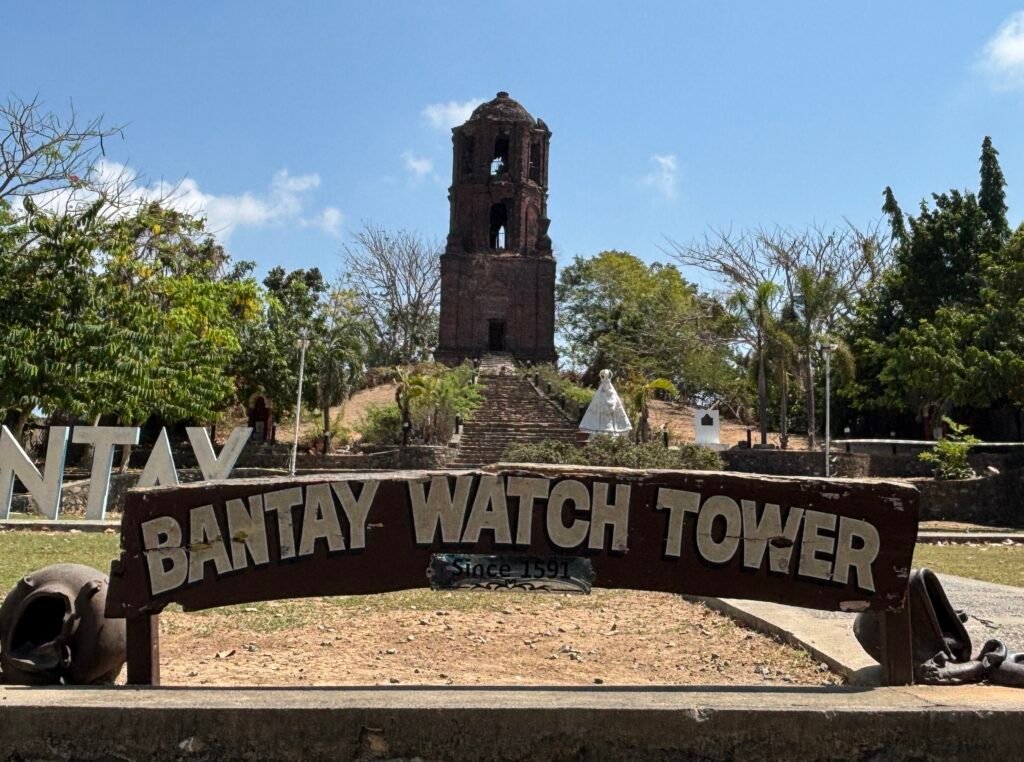
Loaded into comfortable buses, we head out for an hour drive into the countryside, past agricultural fields and small roadside stalls, to the old Bantay Tower and St. Augustine Church. It is hot outside but we bring water and walk into the cool church (no wonder churches are so beloved in hot countries!) and return outside and walk up to the belltower. Built in 1592 as a watchtower from pirates, it was damaged by an earthquake in 2022 and at the moment is only approachable from a distance.
Our main destination for the day is the Unesco World Heritage city of Vigan, labeled as the best remaining planned Spanish colonial town from the 16th century. It stands alone because all of the other historic Spanish towns in the Philippines were destroyed in WWII with Vigan spared, it is said, because the mistress of a Japanese general lived there. It is a bit disappointing although the main street is interesting as it has banned all motorized traffic and only festooned ponies and carts carrying tourists are allowed.
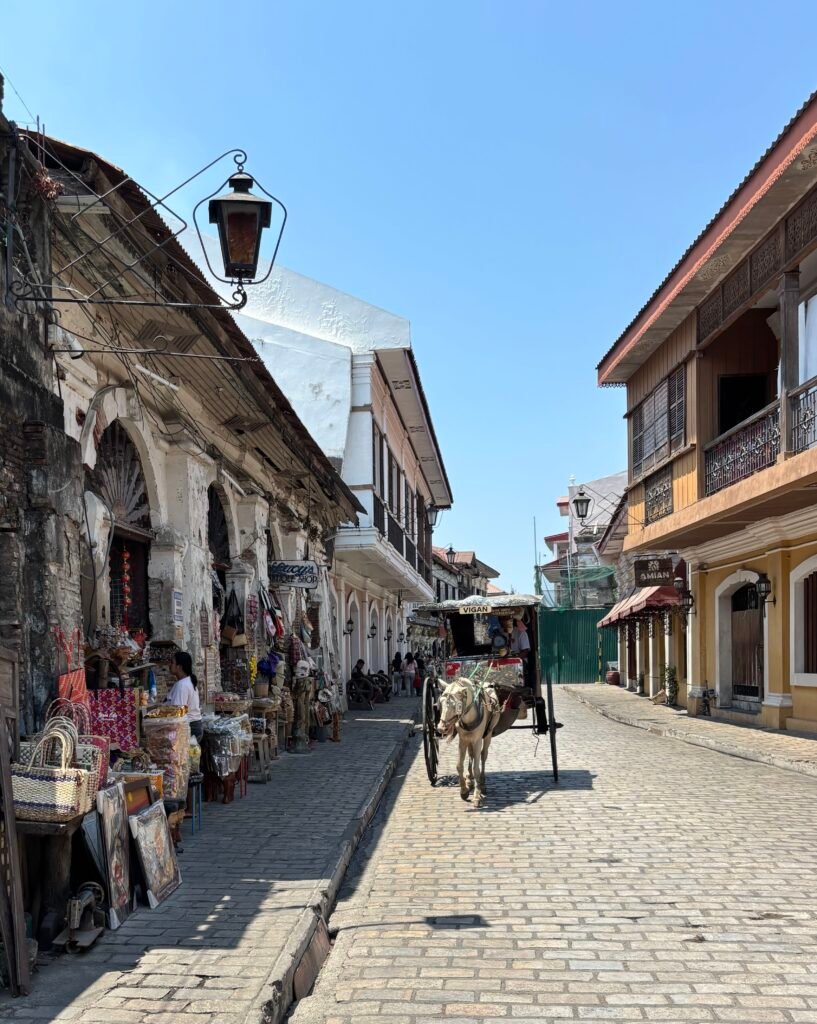
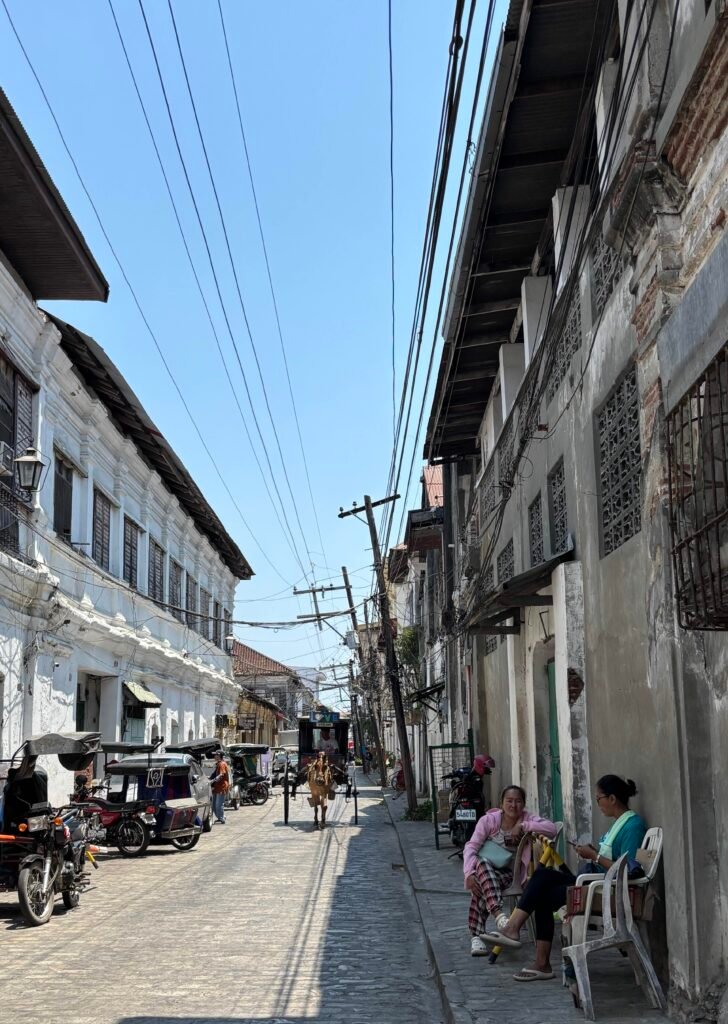
The architecture is indeed unique, a blend influenced by the city’s early trading partners moving through here from China and Spain. But it had enough newer construction of its main plaza and city buildings and nearby busy streets to lessen its impact as a preserved place. It is an alive and active town with some remaining unusual houses now occupied by shops selling tourist geegaws. However, it is very hot and I did have the most delicious mango sorbet cone from a gelato store – appropro for a Vegan in Vigan (thank you, dear belated Alan, for a lifetime of puns).
We stop at one more thick-walled church that survived the strong earthquakes over centuries and then back to our welcoming ship.
Day 3. Batanes and Sabtang Islands
The most Northern islands of the Philippines archipelago are also the islands closest to Taiwan and Japan: Batanes and its small sister island Sabtang. This location determined their history in the 20th century as at the same time Japan attacked Pearl Harbor in Hawaii, it stormed Batanes to occupy its airfield. The Japanese military required the local inhabitants at gunpoint to hand carve deep tunnels for security fortifications and then remained entrenched there until the end of the war.
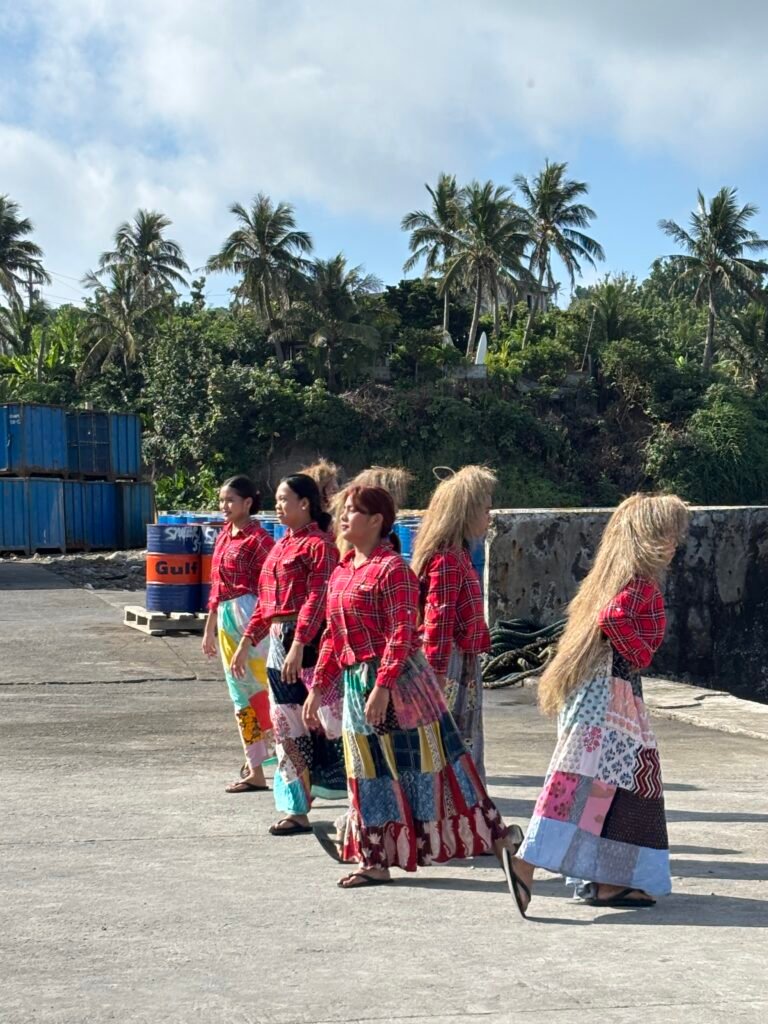
Our entrance was far more peaceful, arriving on our Zodiacs to find local young women dancing for us before we boarded small vans to explore the island. An incredibly green, lush and beautiful island, reminiscent of those of Hawaii, but barely touched by modernity. It is intentionally very undeveloped as it is protected by the Philippine government which prohibits its residents from taking any of its natural resources. So, surrounded by beaches and rocks, those living here have to pay a very high price for basic building materials, like sand and gravel, which have to be shipped in by cargo ships that regularly arrive to provision the island.
We first visit the series of underground tunnels built by the locals for the Japanese in 1942. Going in one side and crawling out another into a magnificent view of mountains and ocean. We circle the entire island and the bright green on one side turns into drier brown on the other as the mountains, including a dormant volcano which last spewed 400 years ago, keep the precipitation uneven.
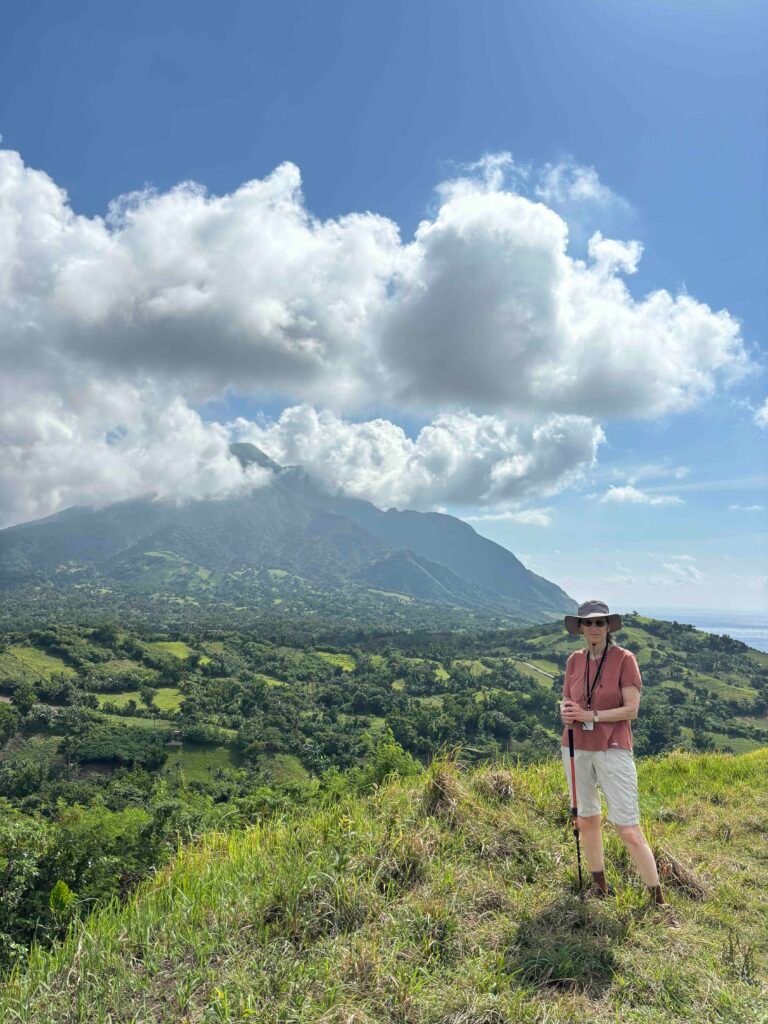
Its traditional local inhabitants are Ivatan people, with their own language and retaining many of their old traditional rituals and beliefs although they consider themselves mainly Catholic. My van’s guide, Robert, is a man whose 95 year old grandmother still works the fields and remembers those years of Japanese occupation. Robert moved to Manila for advanced studies but then returned for a quieter life home on Batanes – where there is no crime and the only store on the whole island is a very small hut called the “honesty store” where visitors, mainly tourists, leave payment in a box. Everyone has private storage in their homes with all of their upcoming needs – necessary because these islands lie in the path of horrendously strong typhoons, sometimes 8 per year, blowing up to 350 km/hour. Robert told us how the last typhoon blew away the Doppler radar system set up only weeks before the storm and how government workers need to remove all the lightbulbs from the roadside lightpoles in town before a storm, as they are blown out by the wind. But, Robert reports with pride, the town has had no casualties from storms in recent memory as they are all trained and well prepared. They also get advanced warning by radio from The Philippines and Japan about approaching typhoons and take them seriously.
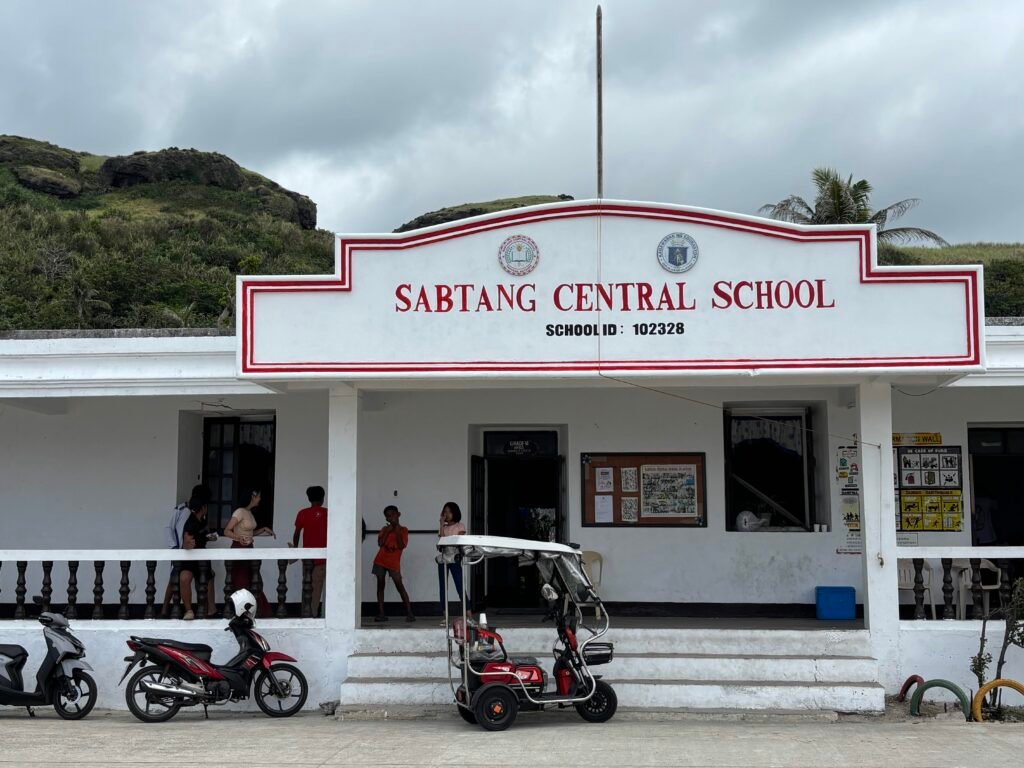
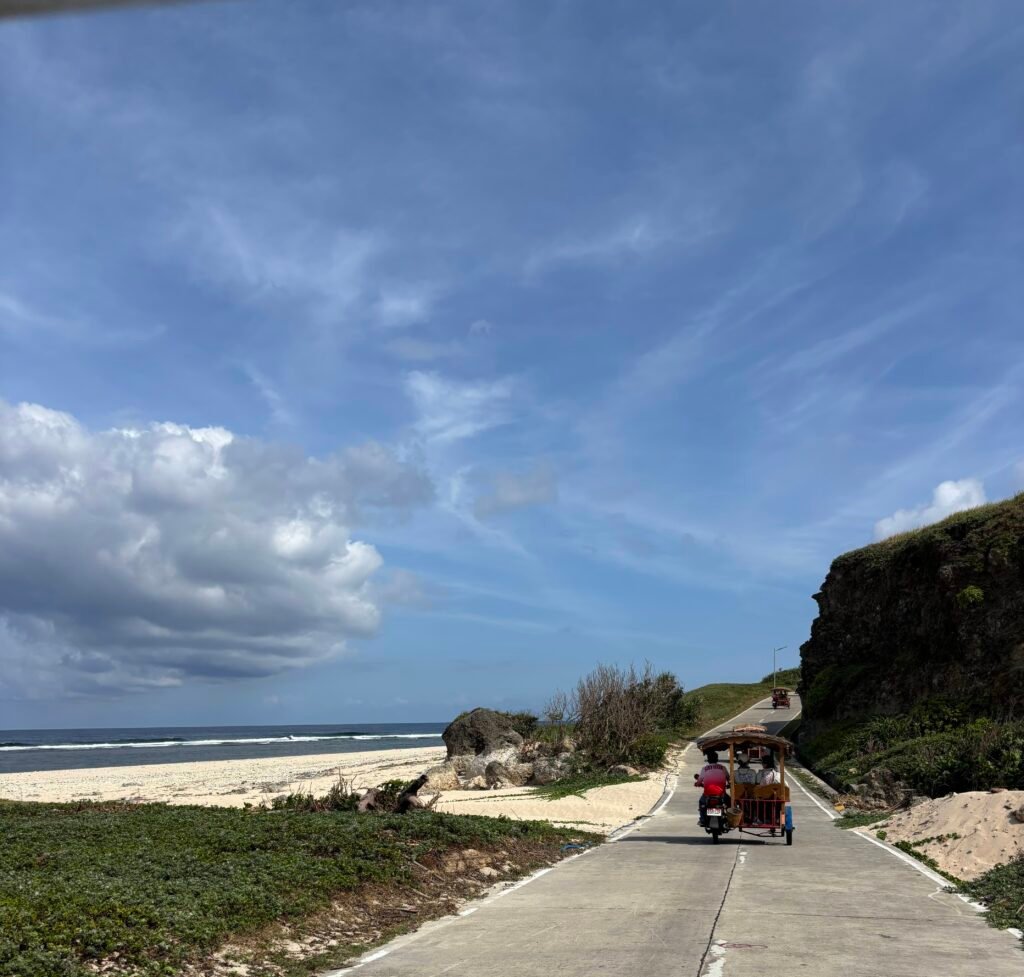
Our ship repositions after our lunch onboard and then we are off again in our Zodiacs to even smaller Sabtang Island, also the home of Ivatan people. The school is at the port entrance and the children seem happy to see us. We are met with a group of motorcycle-pulled tricycles waiting for us, enough for 2 of us in each one, as we ride along a magnificent shore with blue water and sky above and beyond.
We reach a central meeting place for the island. There are no stores but there is a need to replenish food. There is a government distribution center and the call has just gone out for families to come pick up their 5 kilos of rice.
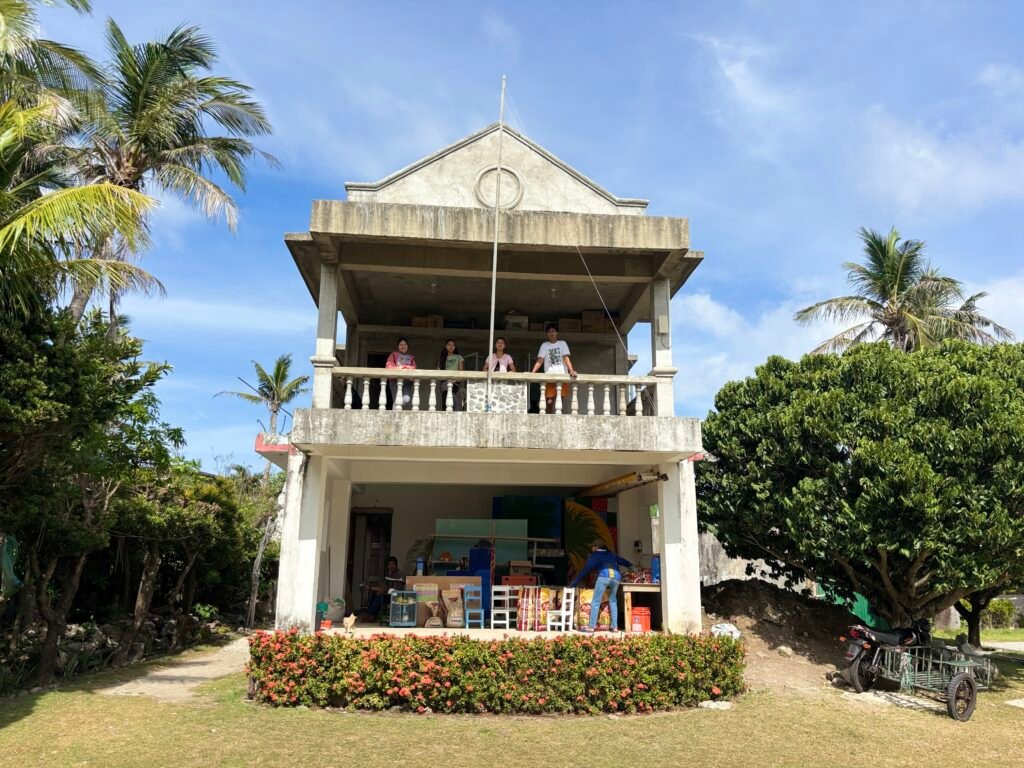
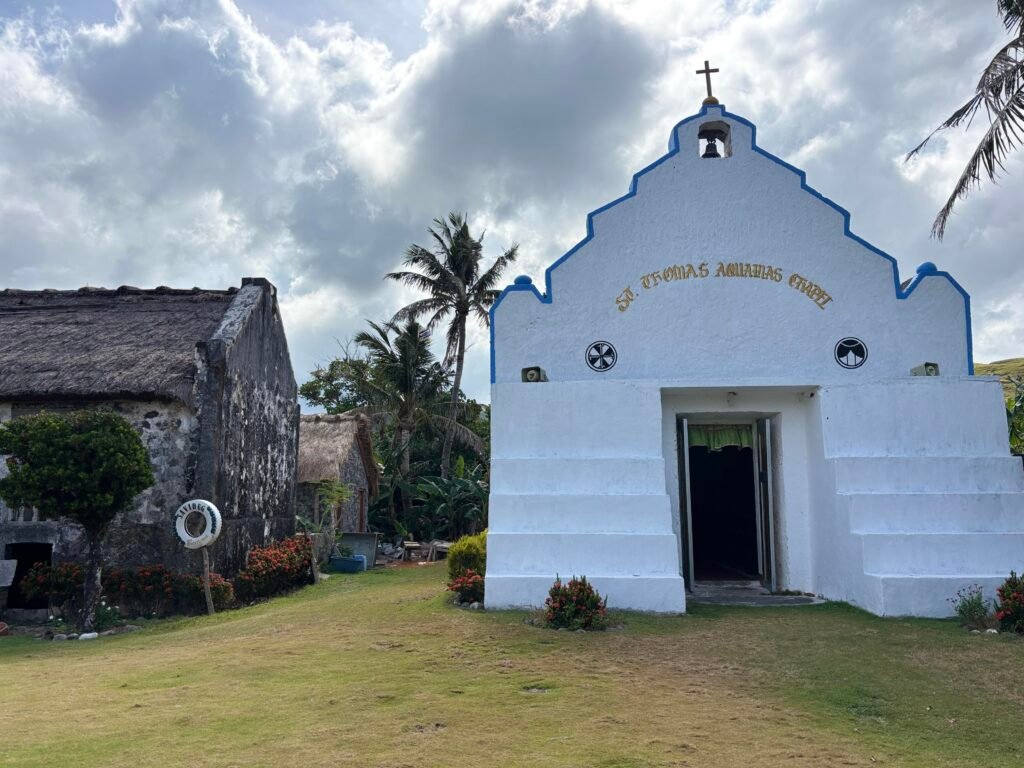
In this central area, there are old buildings and a church of very thick stone to withstand the typhoon winds.
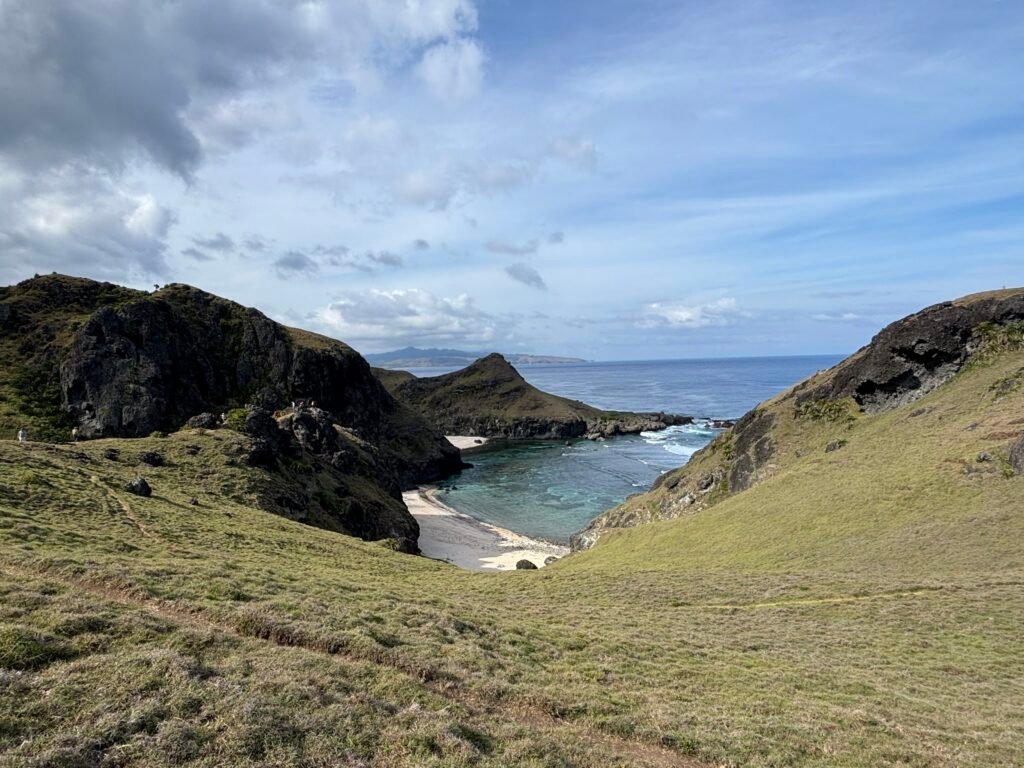
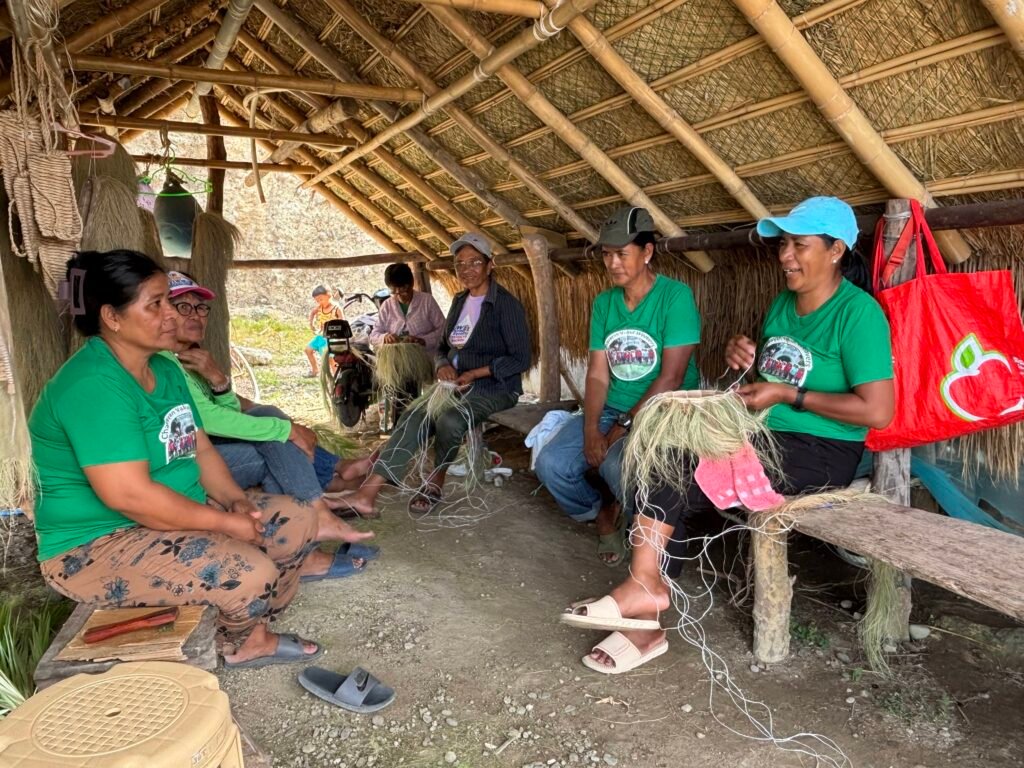
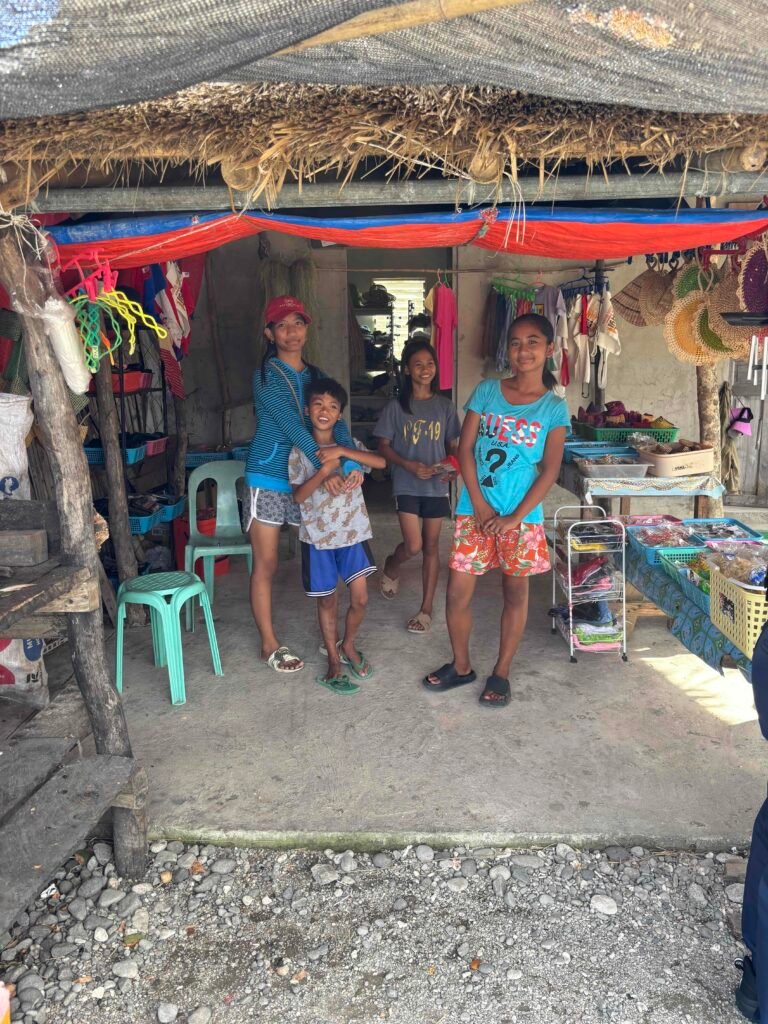
At a main viewpoint, we all descend to enjoy the beauty of the land. Up on top once more, treats are once again waiting for us – fried sweet potato wrapped in banana leaves and an absolutely delicious sweet in a cup, a stew of sweet potato and another root vegetable (maybe cassava) cooked with coconut milk and cane sugar. It does not have many takers due to its unappealing brown appearance but those of us who indulged were very gratified. There are some nearby stalls set up for the few visitors as well for local crafts.
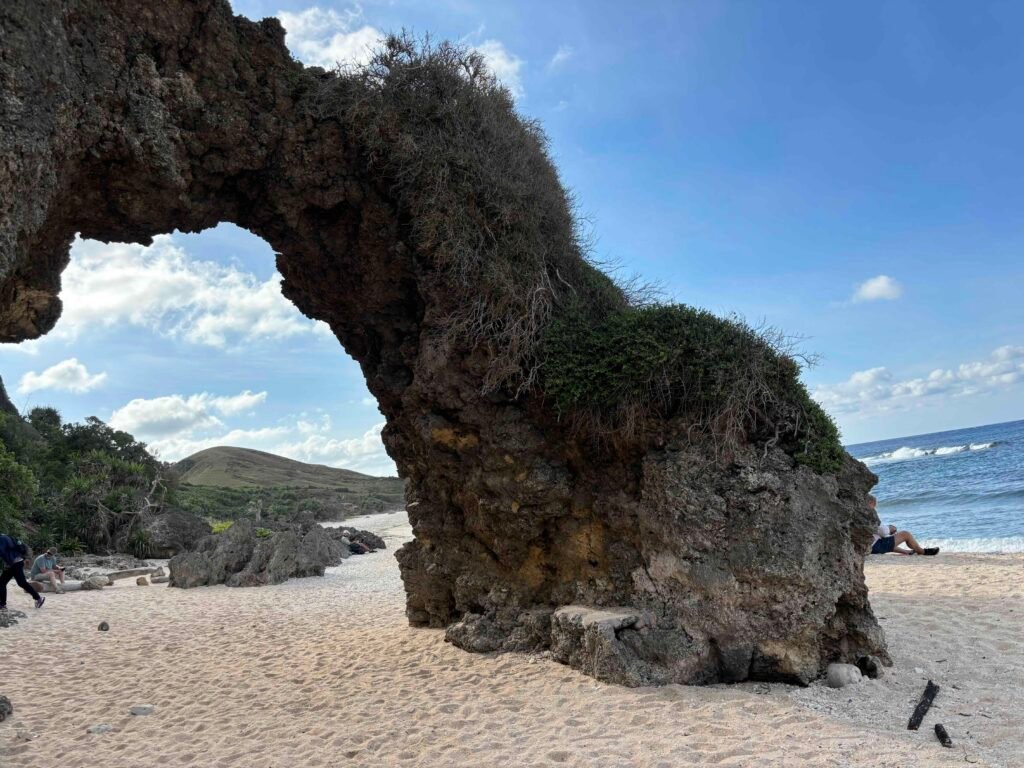
Our last stop of a very full day was a beautiful white sand beach, strewn with black rocks eroded by the sea, sitting on an amazing collection of washed-up pure white coral pieces. The water was refreshing although with a strong pull and I stayed safely on the edge.
Back to the town and in Zodiacs to the home ship once more