
Day 9. Uwajima Castle, Museum and Garden
Uwajima is a port on the southern coast of the large island of Shikoku, right next to the main island of Honshu. I had taken a tour a few years ago with some friends all around Shikoku but we did not have an opportunity to spend any time in this town so this is my first time here, as well as that of Swan Hellenic. We are greeted with festivities, 3 boats ride in alongside us, waving flags, and then at the port there are more local people with signs and flags waving us in. It is a beautiful bay. A few of us watching from the bow note that we are arriving into a large commercial area for — fish food. Large piles, shaped like the volcanoes we have seen, of slightly different colors, are next to the harbor area where we dock. I learn it is used for the major aquaculture industry in the area.
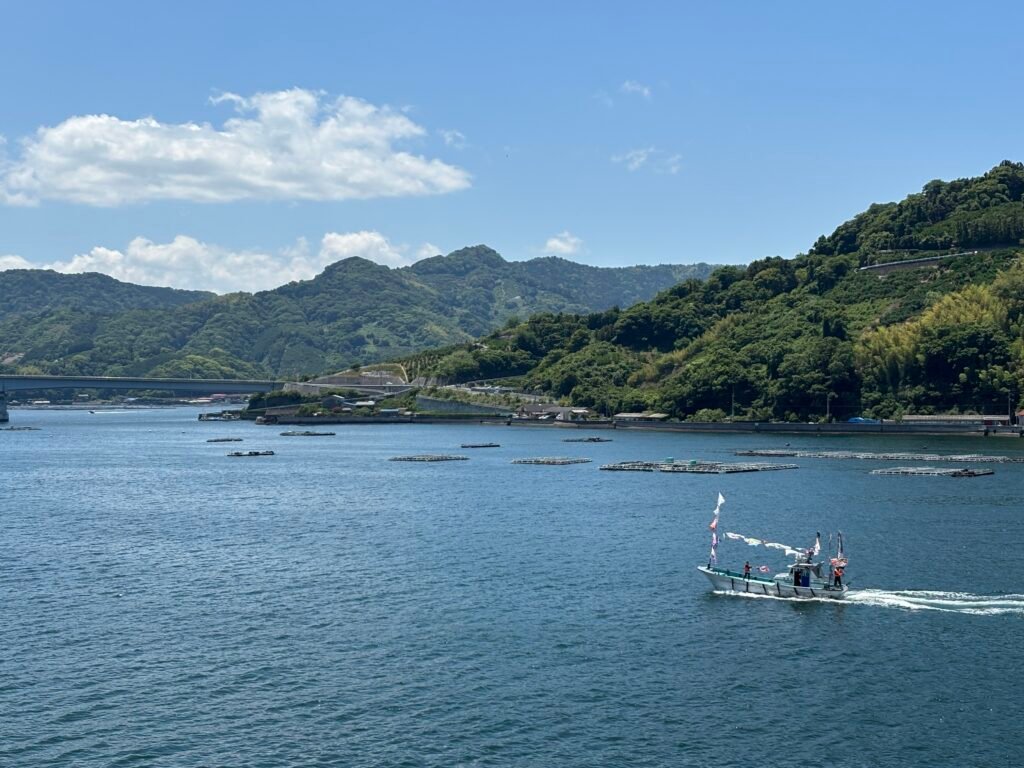
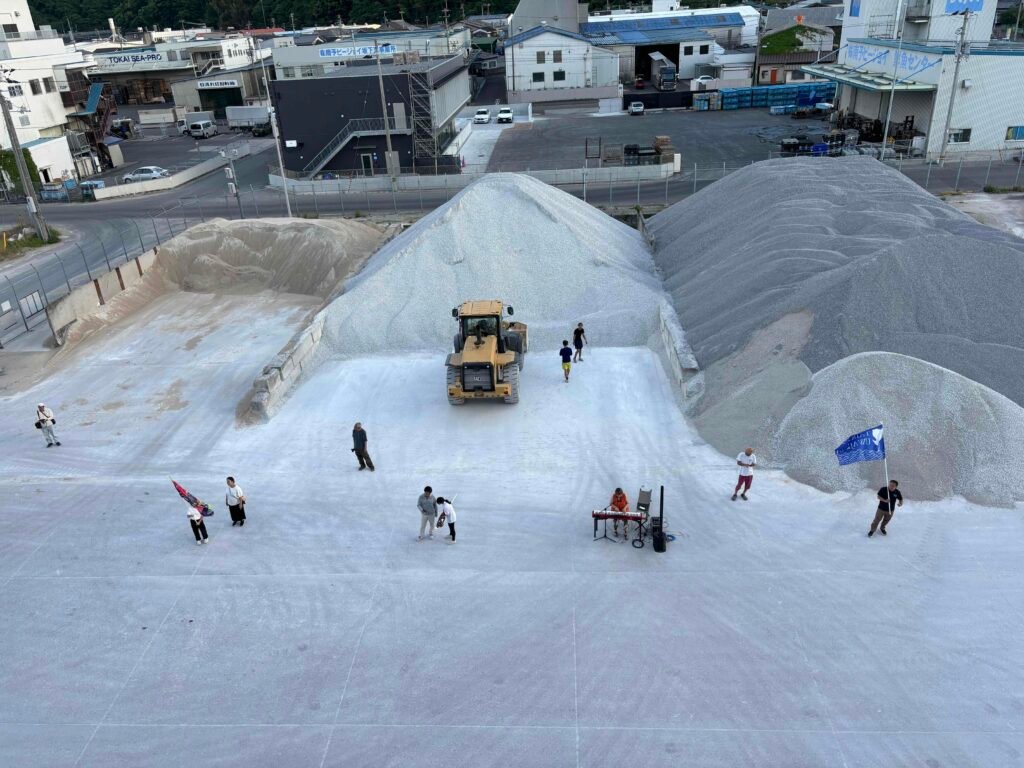
The main cultural sight in Uwajima is the ancient castle, one of the 12 original fortress towers remaining in Japan. Always high on a hill for security, we walk up many flights of uneven stone steps, through a shady mature forest, without any banisters. This walk was designated as of “moderate” physical level but I would definitely say it should have been listed as “challenging”, certainly one of the more demanding of the walks we have recently been doing.
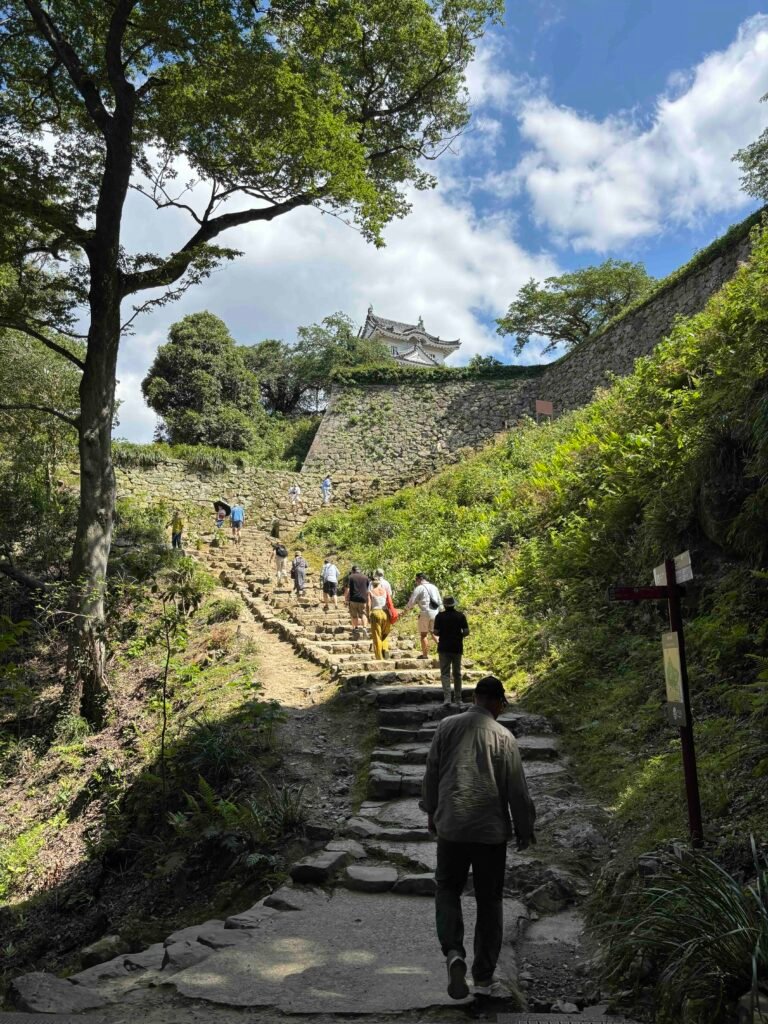
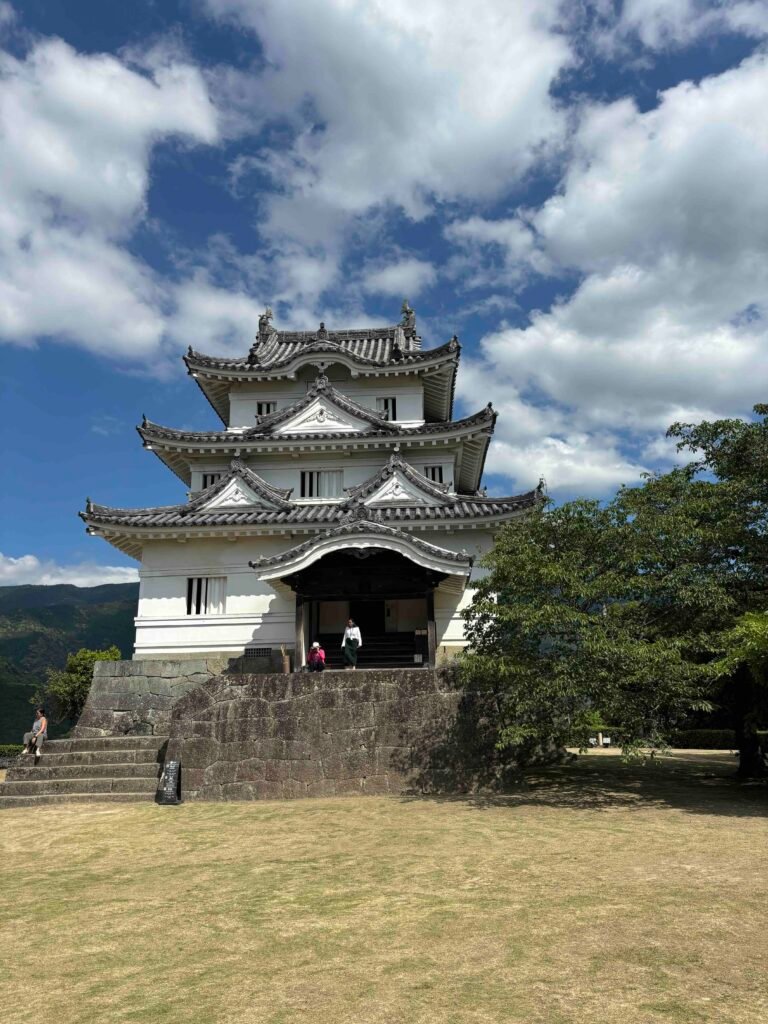
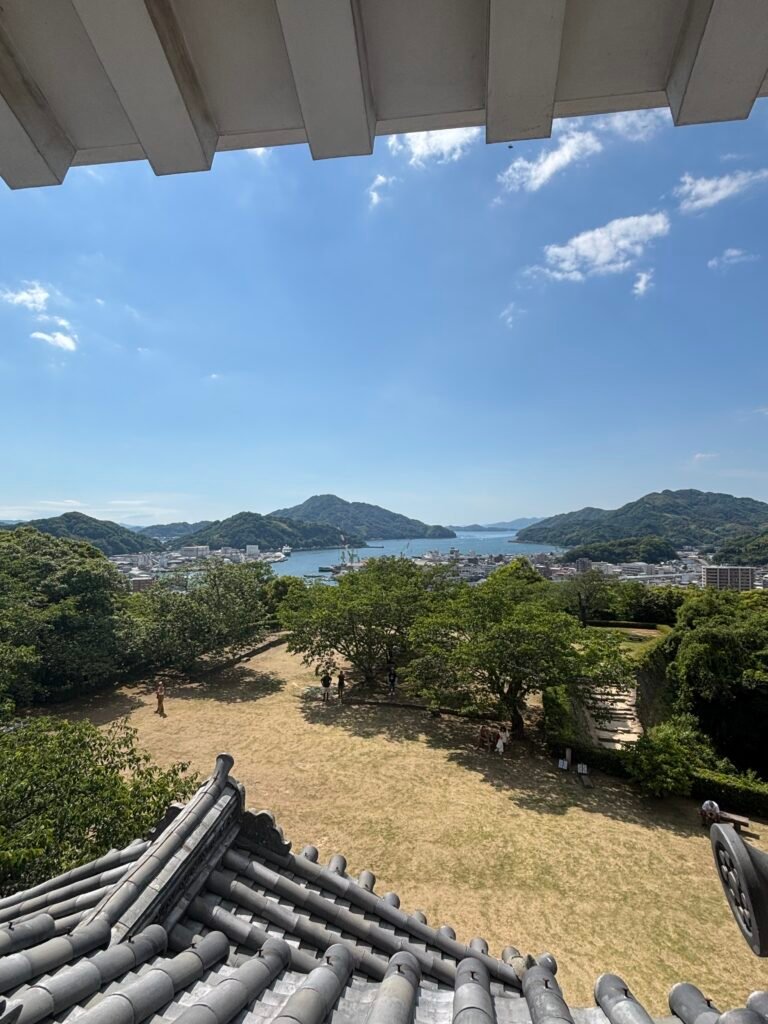
The castle itself, a beautiful 3-level white crane, has very steep tall narrow indoor staircases as they all do but at least there were smooth wood banisters to hold on to for safety. There are displays on each level related to the samurai who once guarded it and the top has a panoramic view of the bay and the nearby hills. I occasionally used the strong arm of our young shipboard photographer to get down some of the steeper stairs on the hillside and was glad I made it to the bottom in one piece.
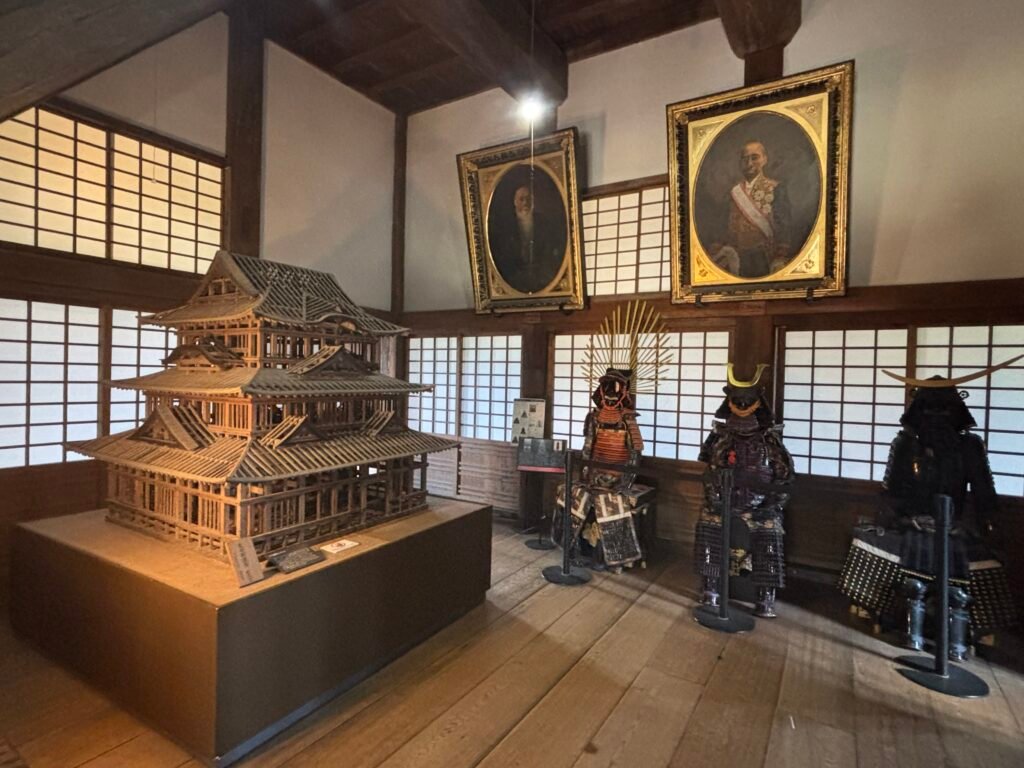
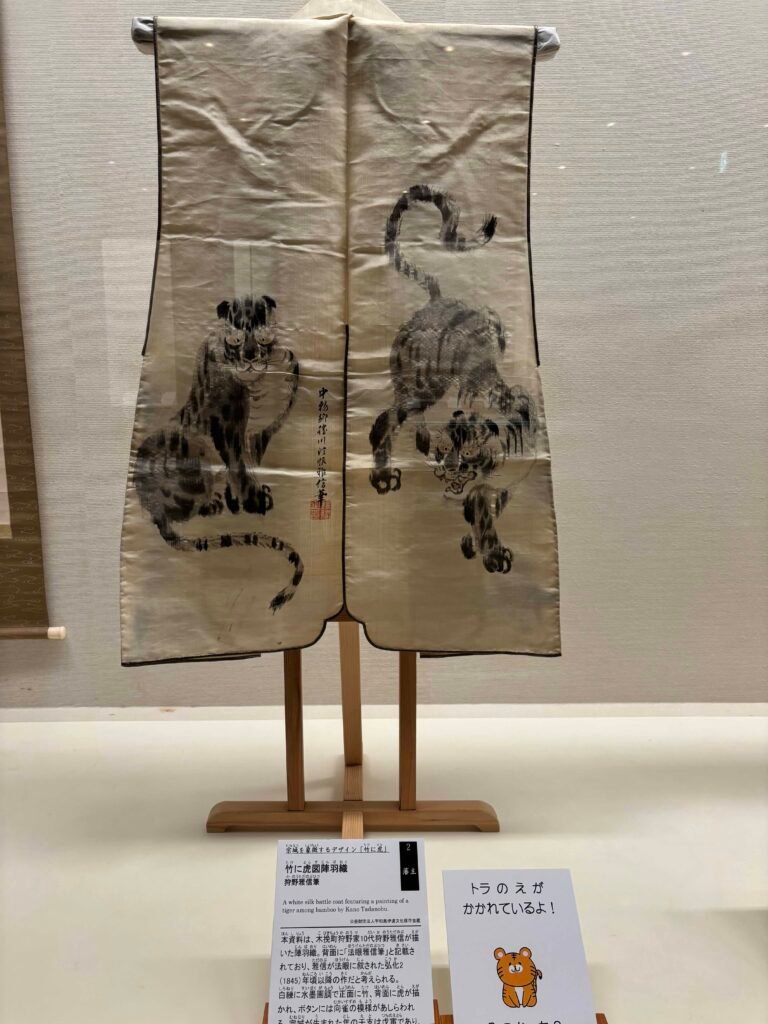
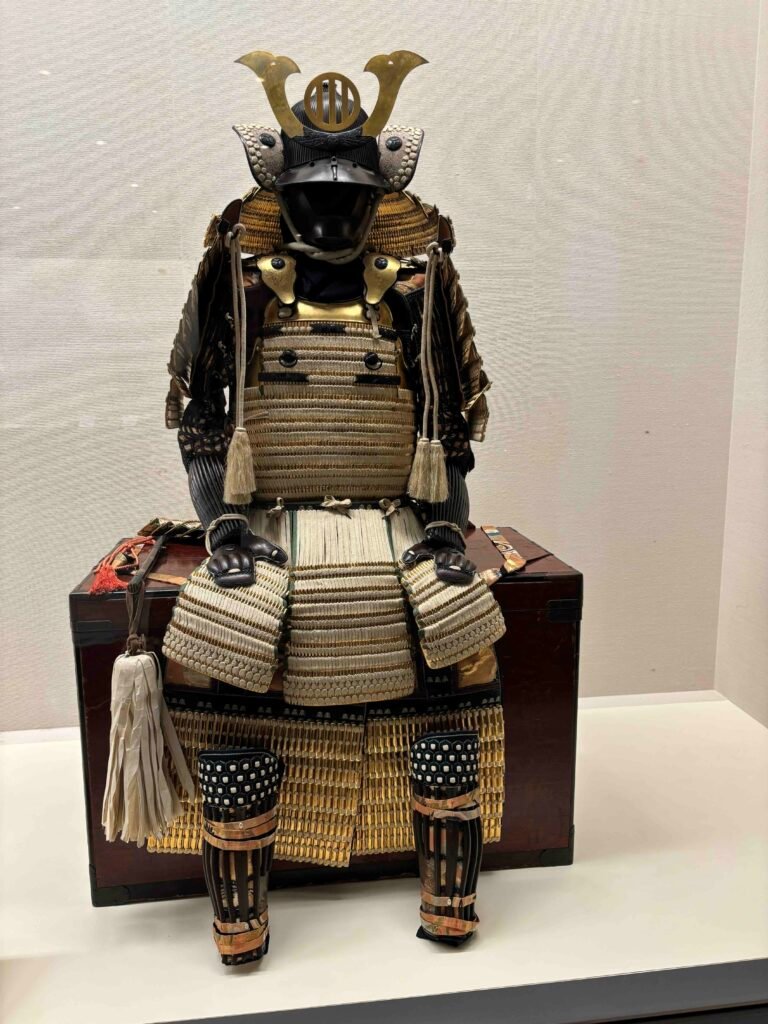
The Uwajima Museum contains what remains of the artifacts of the Date (pronounced Da-tay) family who ruled the town for centuries. A WWII air raid destroyed one of their storehouses but what is left is a remarkably beautiful and priceless collection of history not only of the family but a testament to the perspicacity of the Japanese to learn from those visiting from the the Western cultures. There was exquisite traditional clothing and wonderful artifacts and Samurai protective gear of their ruling leaders down through generations.
But what struck me the most were the diagrams and images of unfamiliar Western technology from the 1800’s, carefully analyzed and painstakingly drawn and kept for future use. A painting of a fully masted schooner with cannons and a detailed drawing of a steamship with its dissected engine, probably one of the first to enter the country. It is one of the things the Japanese have excelled at — and why they were so very commercially successful after WWII, grasping the importance of certain industries and advancing them even further along utilizing their human resources to produce high quality export items. Think Panasonic, Canon and Sony among others.
Nearby the museum is a famous Garden, the Tenshaen, built in 1866 by Munetada Date as his place of relaxation. It is considered one of the most beautiful gardens in Japan. Using bamboo, iris and wisteria as its main botanical features, which unfortunately were not in bloom while we were there, it centers around a pond and a famous arch of white wisteria flowers, a tea house and a covered pavilion overlooking the water to contemplate the natural beauty. At the moment, there is a lot of construction near the end of the pond as a larger new museum is being built to hopefully showcase even more of the treasures of the Date family.
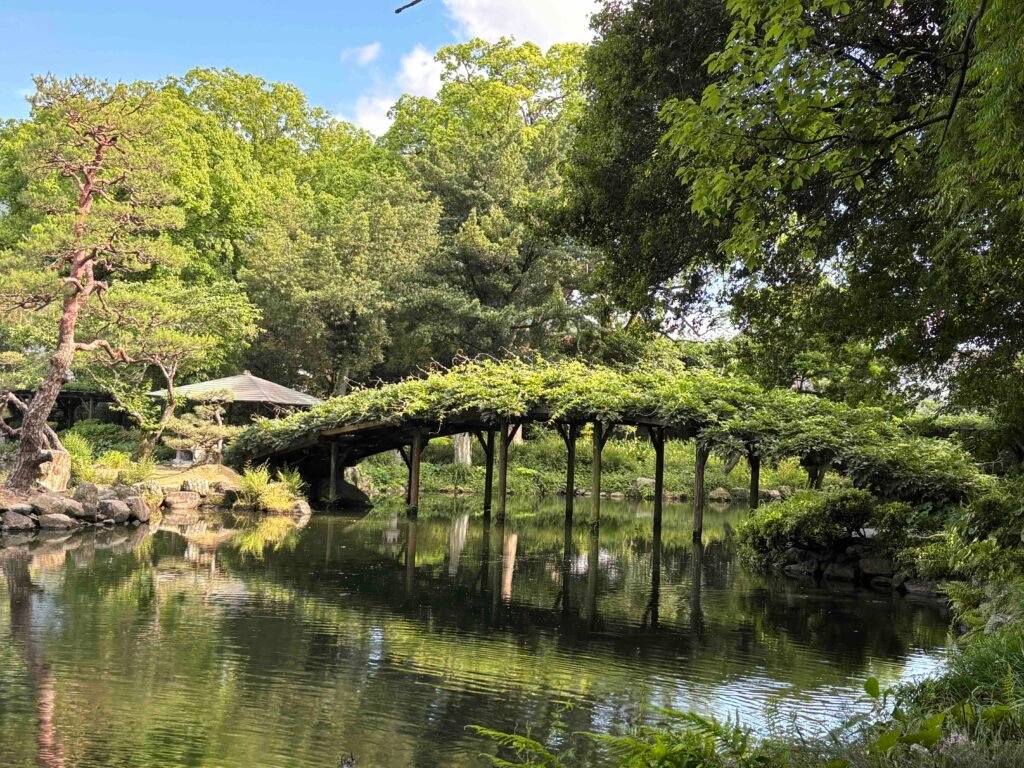
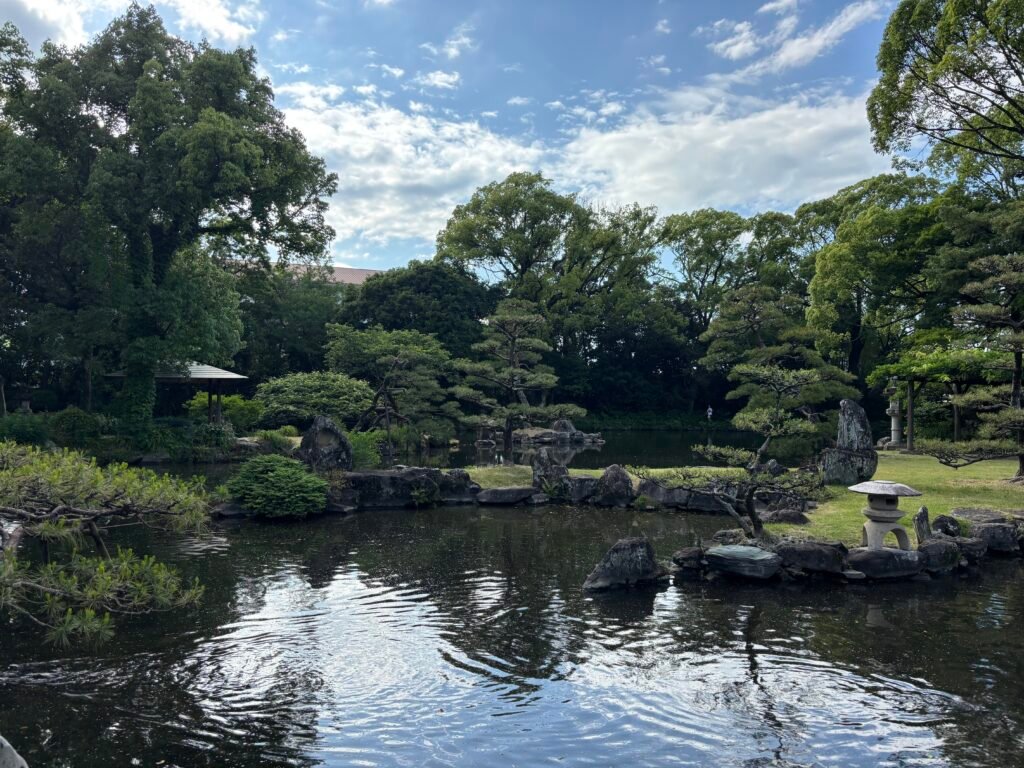
This visit was an appropriate end to the many on-land excursions we made on this 10-day sojourn from the restless energy of modern Manila to the quiet contemplation of a Japanese feudal lord’s garden. We tasted our way from the mangoes and fried bananas of the Philippines to the raw tuna of Japan, experienced the music and dance of the island people from Batanes to Sakitsu and watched beautiful sunrises and sunsets over magical islands in the Pacific. Personally, I also learned history about which I was not previously aware, from the Ryukyu Islands to Okinawa, to the casualties from suicide missions and the atomic blasts that ended the war. Some of the beauty we humans created in the world and the tragedies we brought upon it and ourselves. It was all here, condensed, in this Swan Hellenic voyage of cultural discovery and exploration.
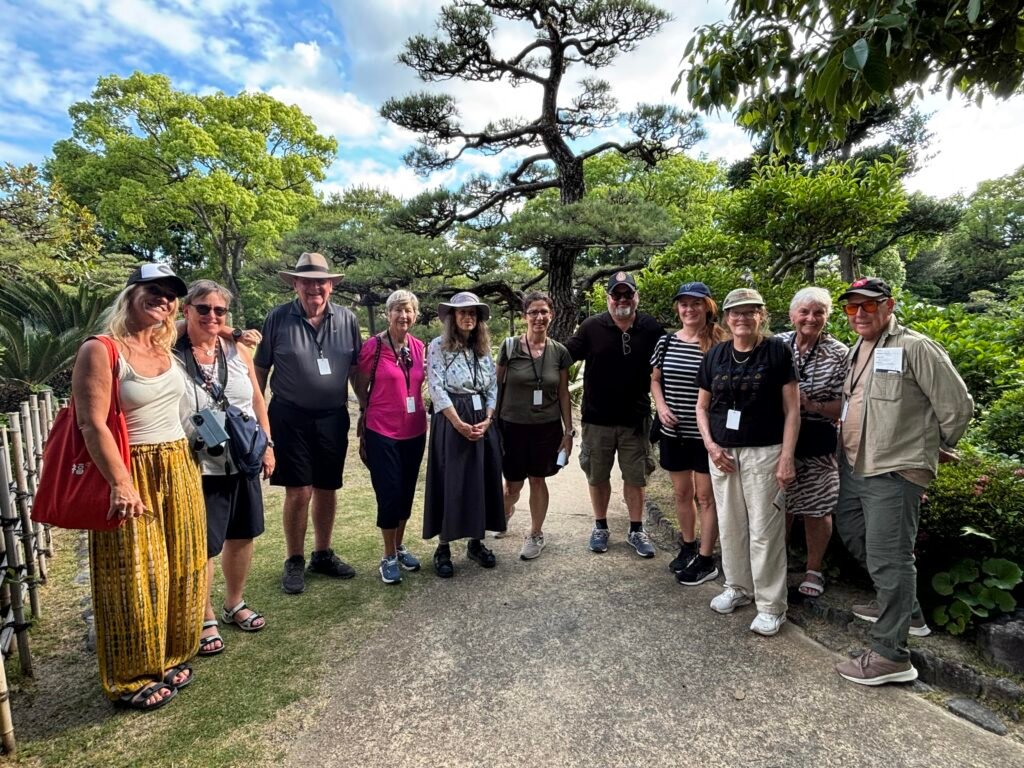
Epiloque in Hiroshima
We sailed around to Hiroshima and most of our group departed for the airport at 8 am and I a little later for my separate day before flying home. My last visit to Hiroshima was in 2019 when I coordinated a student trip for the Mary McDowell Friends School and we had such a strong and memorable visit to the Peace Park and Museum, with the incredible opportunity of hearing a survivor talk about her experiences, that I did not want to try to repeat it. So I decided to spend the night at a hotel opposite the island of Miyajima, known for its emblematic red tori gate. I had been there but never did the ropeway and the climb to the top of Mount Misen which was on my schedule for the day.
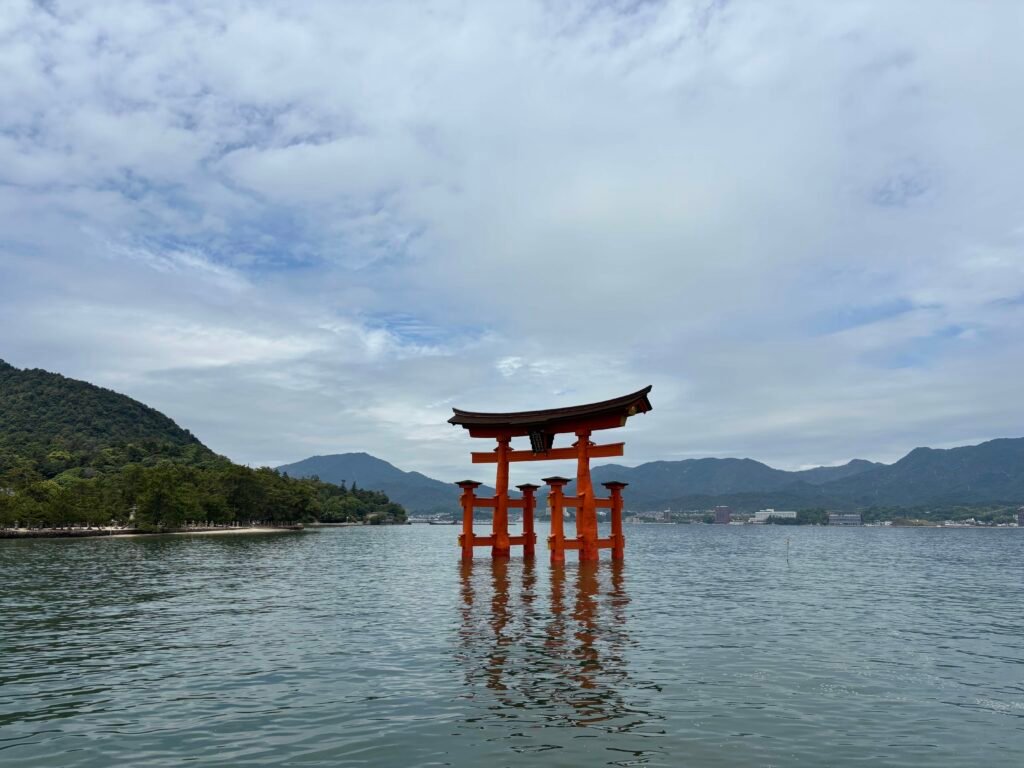
But it did not work out that way. I did go over to Miyajima in the morning but after a pleasant hike up the mountain, I discovered, along with a number of others on the trail, that the ropeway was closed due to a recent fire. However, I did enjoy walking on the heavily trafficked and tourist centered main street which offered every kind of Japanese food and souvenir shop, all picturesque and interesting. There were several groups of school kids in their white shirts and sailor blouses as well as many Japanese and foreign tourists whom I observed with interest. On the way back to the ferry, I took a parallel street which was very quiet and residential and a great contrast to its busy commercial neighbor.
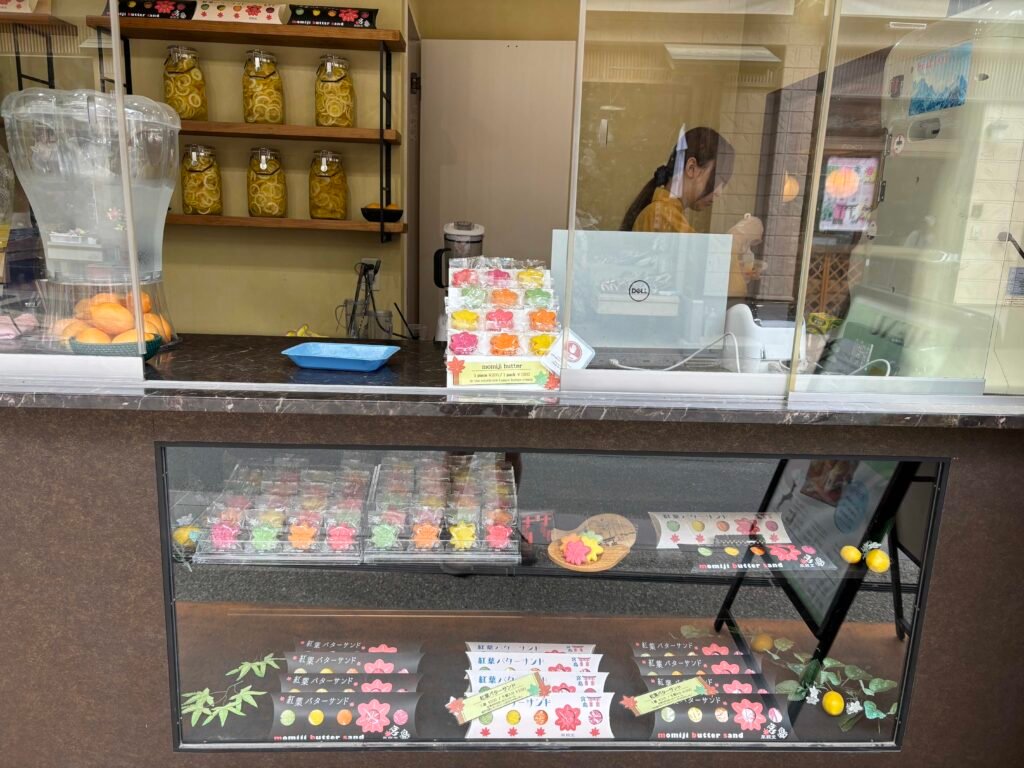
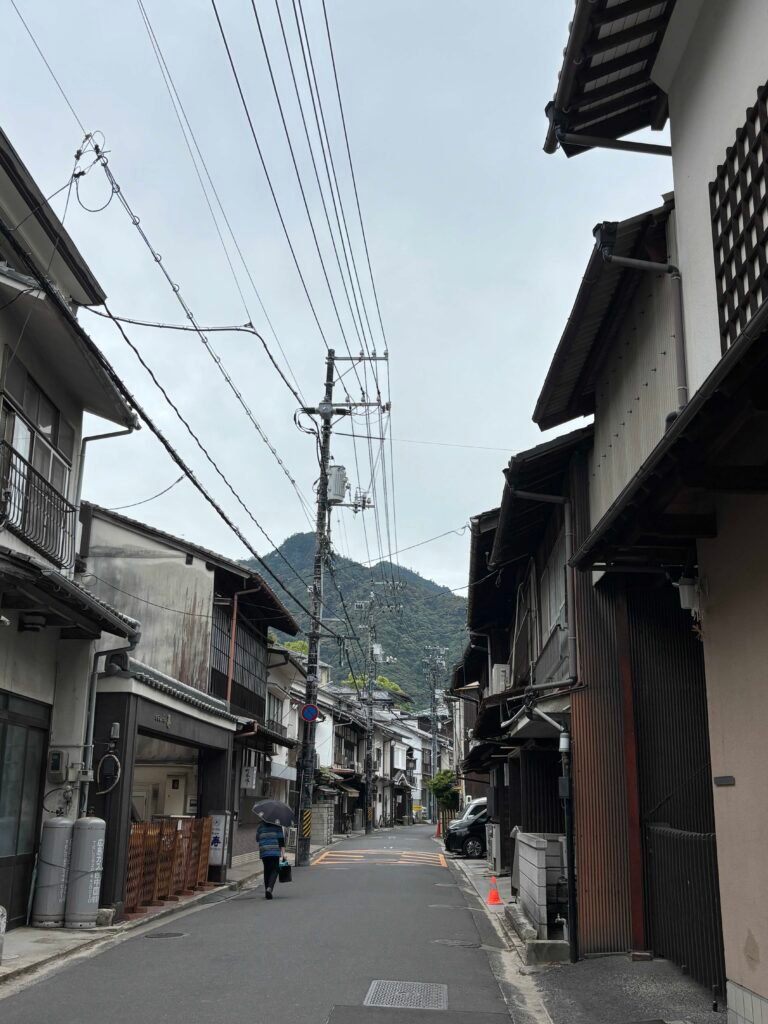
After walking down from the pleasant forest on Mount Misen, I indulged in fresh grilled oysters which are a specialty of this region and later sat at the counter of a small restaurant, the only gaijin (foreigner or outsider) in sight, eating home made ramen. Back on the mainland, the city tram started right across from the Miyajima Ferry so I rode it to its end, Hiroshima Station, which took a little over an hour (cost $0.80), passing through the main areas of the city, including the bomb memorial site, in order to visit (of all places) the Pokeman Central Store. I had promised my grandson a Pikichu stuffie. So that is what I did, had dinner at a sushi restaurant in the station and returned to my hotel.
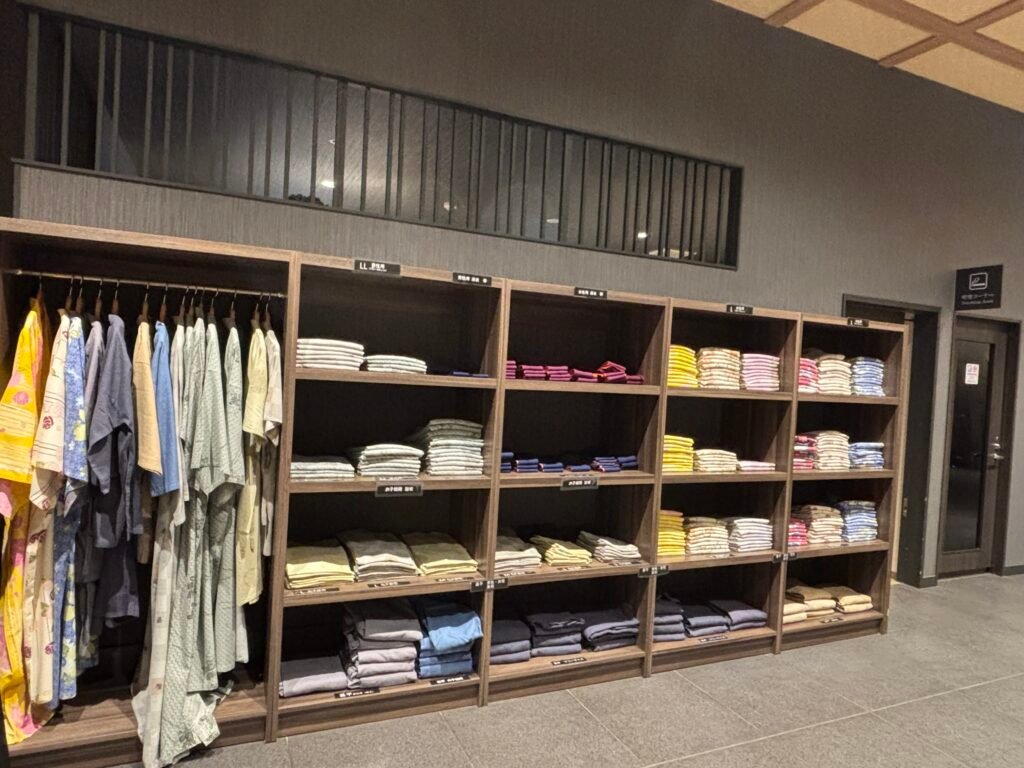
This was a typical modern Japanese-style hotel. Shoes off once inside one’s room as the tatami matting started one step up, with sandals provided for walking around the hotel, and.a separate set of toilet-area slippers, cotton yukata and kimono provided at the main reception area (you choose your size and choice of fabric) for use during your stay and while going to their private onsen (hot spring bath), separate for men and women, one inside and one outside designed to resemble a native stone bath. It was beautiful and relaxing.
Japanese breakfast buffets are a world unto themselves. This one provided lacquer boxes with special bites and then a spread of many cooked dishes including slices of salmon and mackerel to cook at your table on your own small hibachi stove. Then a hotel shuttle to the local train which I then took to Hiroshima Station and then a direct express airport bus. A little complicated but interesting to me — and at minimal cost – with the opportunity to buy some last minute food at the large prepared food area at the station. So now I end this tale of a wonderful trip and I am safely back home — already thinking about another Swan Hellenic Cruise I might be able to take.
If you want to join me for another expedition cruise or a trip to any interesting place in the world, let me know! I would love to hear from you.
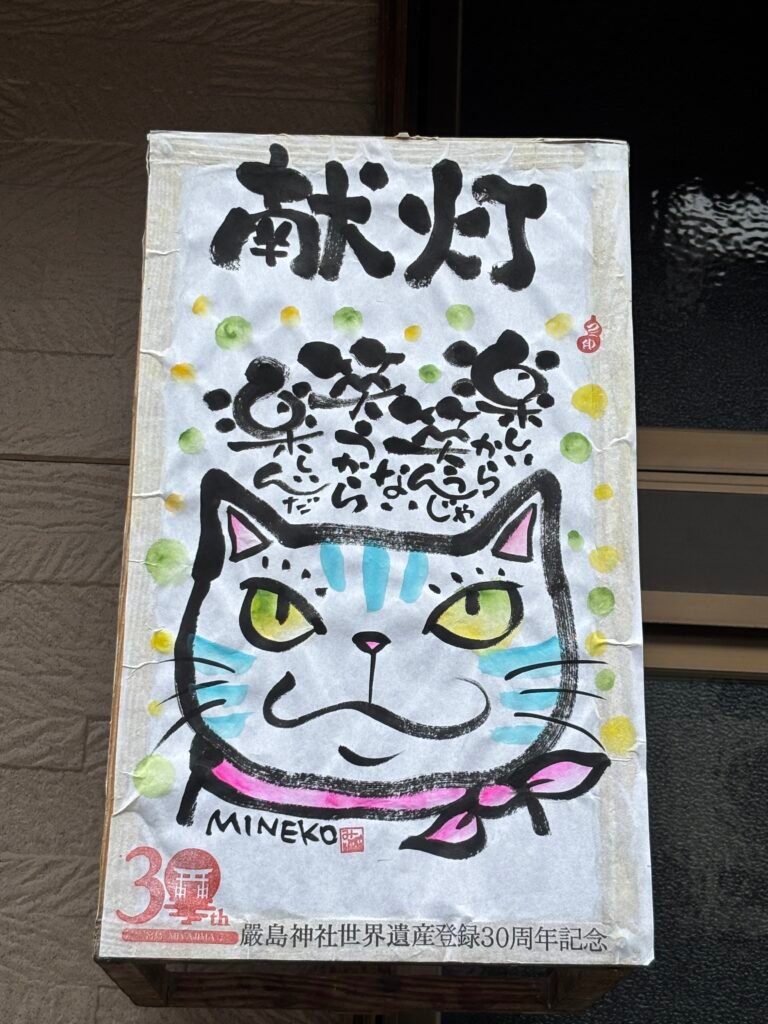
The Japanese love cats.