Day 7: Sakitsu, Japan
A perfect day on board and in Japan. I opened the curtains this morning and saw a smooth sea under a shining sun. And the day moved on with the same brightness and gratitude in my heart for being alive.
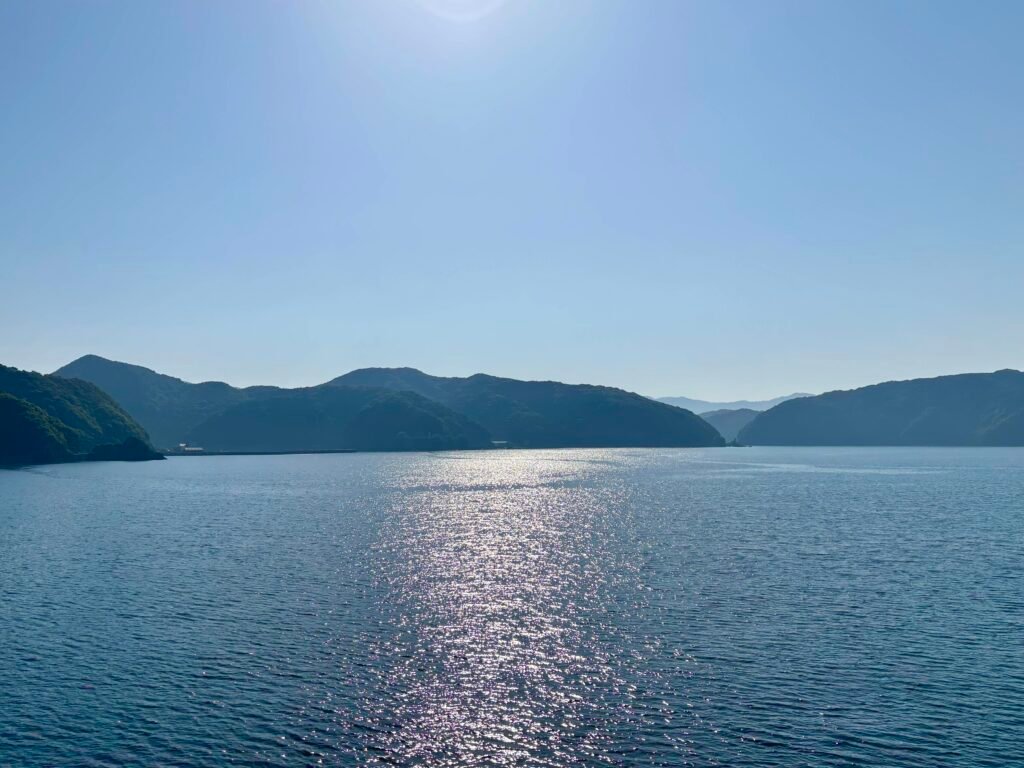
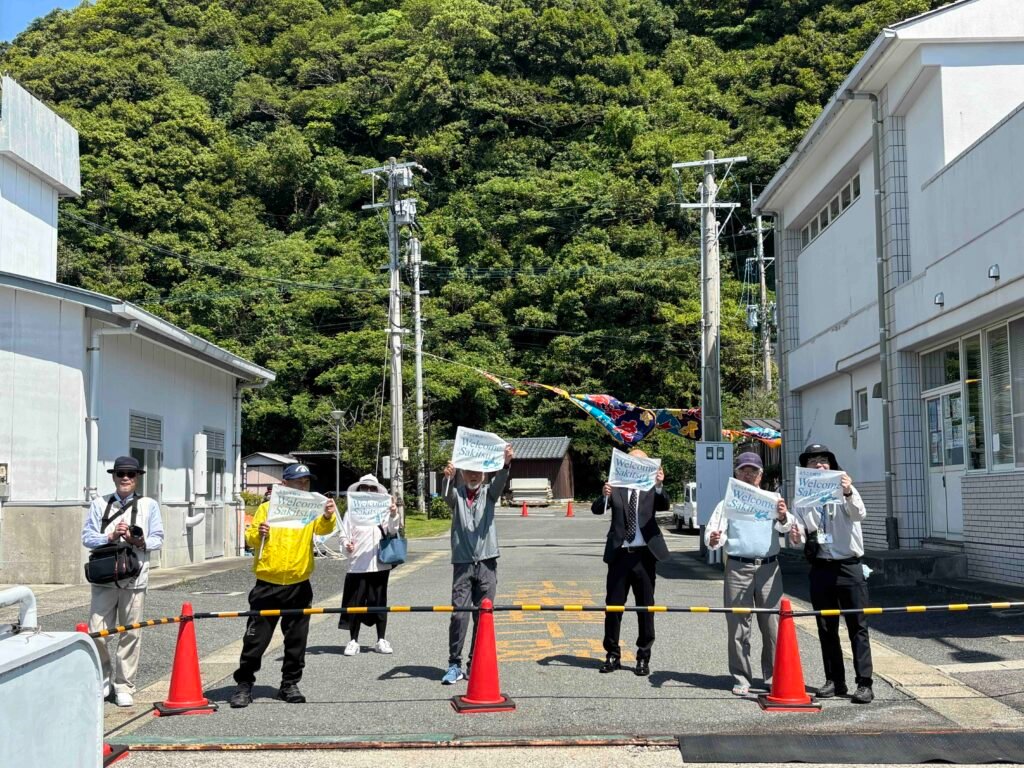
Sakitsu is a small fishing village in a secluded part of Shimoshima Island which is off the West coast of Kyushu Island in Japan. We are the second modern cruise ship to visit this isolated place and we are greeted with great warmth by local citizens when we arrive on our zodiacs in the morning. I am one of the first to land and special displays have been put up for us to learn about their way of life.
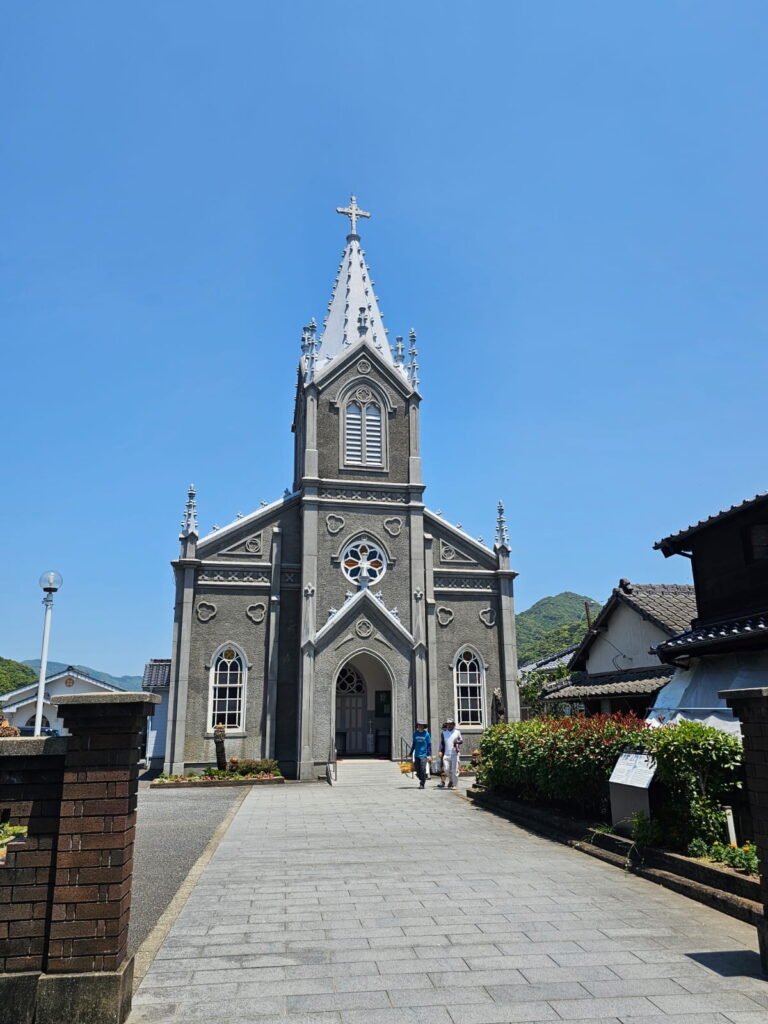
What is historically important, and what makes it a World Heritage Site, is that it is one of the locations of Hidden Christians in the region. Catholicism was brought here in 1569 by a Portuguese missionary. We were told the Portuguese offered the sale of the much-wanted guns only if their missionaries were also accepted. But the Tokugawa Shogunate saw the threat of European colonial powers and brutally outlawed Christianity in the early 1600’s throughout Japan, requiring suspected Christians to stamp their feet on the image of Christ to show their allegiance or face death. So the early Sakitsu Christians went into hiding, outwardly accepting Shintoism or Buddhism but still practicing their beliefs in secret. The ban on Christianity was not lifted until 1863.
Sakitsu held tight to its beliefs and eventually a church and then a larger cathedral structure was built in 1934 which still stands. Sakitsu is now connected to other places on the island by roads but it still remains a small traditional fishing village although, like many places in Japan, its population has greatly diminished over time. We were told there is now about 325 full-time residents here whereas our guide, who was born and raised here, says there were about 1,000 people 30 years ago.
The town has one main street, with traditional Japanese-style homes on the mountainside and similar homes on the opposite coastside, with a required small pathway from the main street to the sea to allow all inhabitants to carry on their fishing vocation.
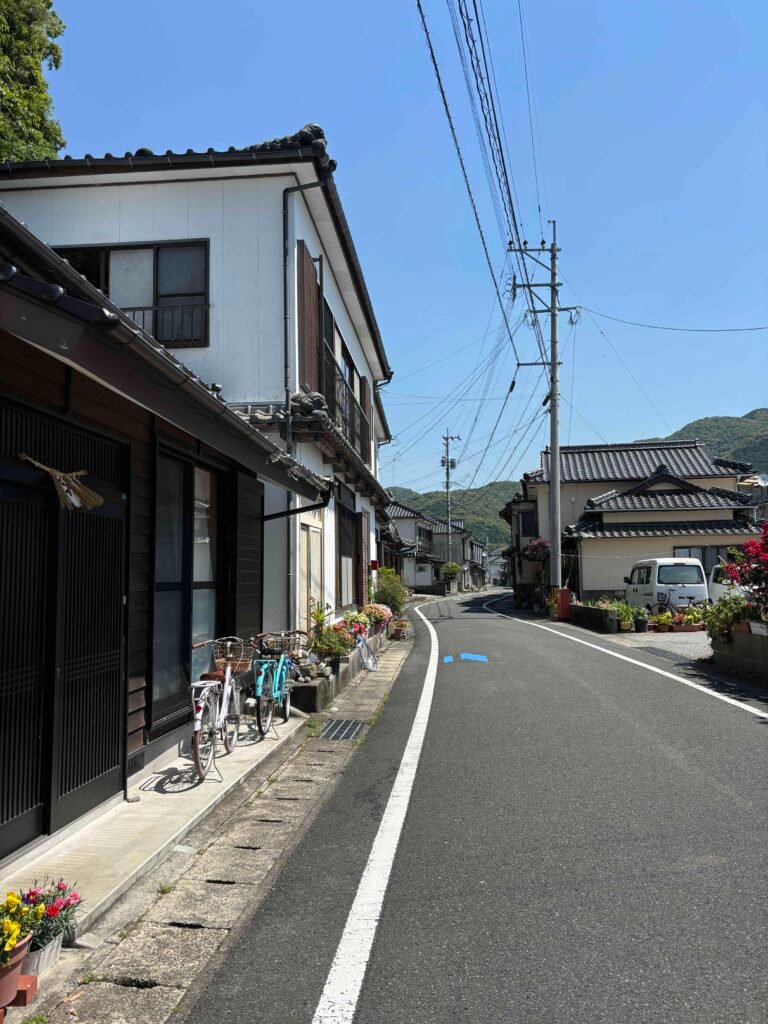
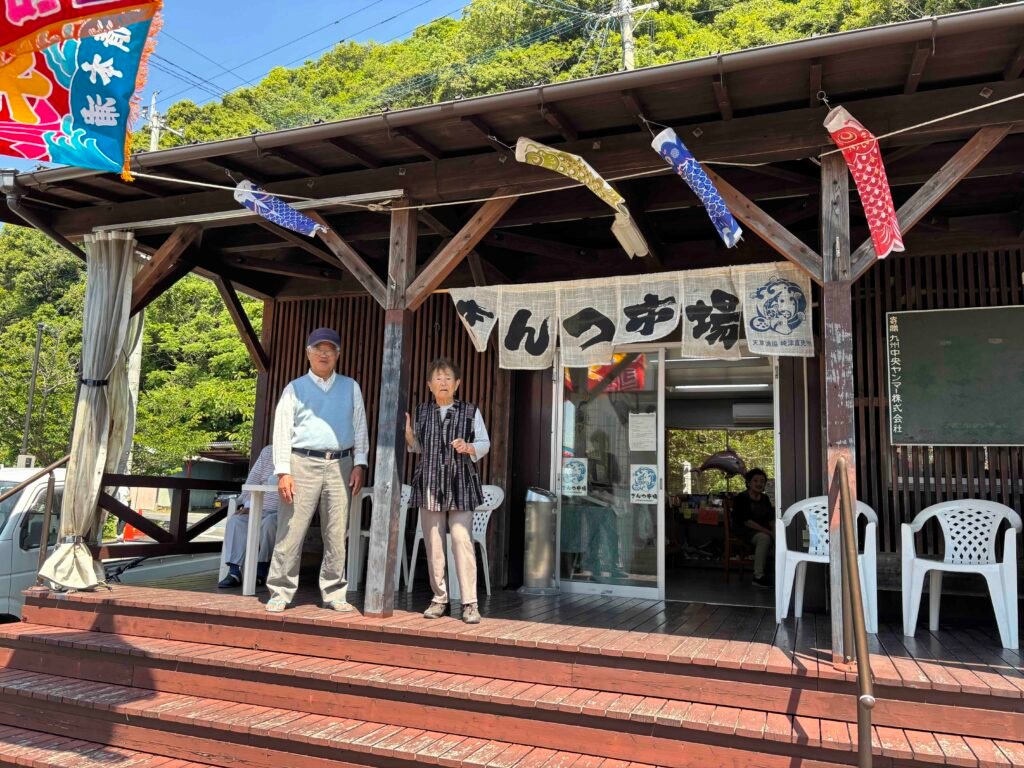
It is 11 am Sunday morning and the town is completely silent with most shops closed. I walk from the pier on one end of town, passing by an open small food stall selling Takoyaki (fried octopus balls), and walk through the entire town, at the end crossing a major roadway, and eventually I come to the local school. This trip takes about 30 minutes. There are other tourists on the street who appear to be Japanese who have driven here – I understand it takes about 3 hours from Kumomoto, the largest large city, on good modern roads, crossing bridges between islands, and about 7 hours from Hiroshima on the mainland of Japan. This location would have been very inaccessible except by boat in the distant past.
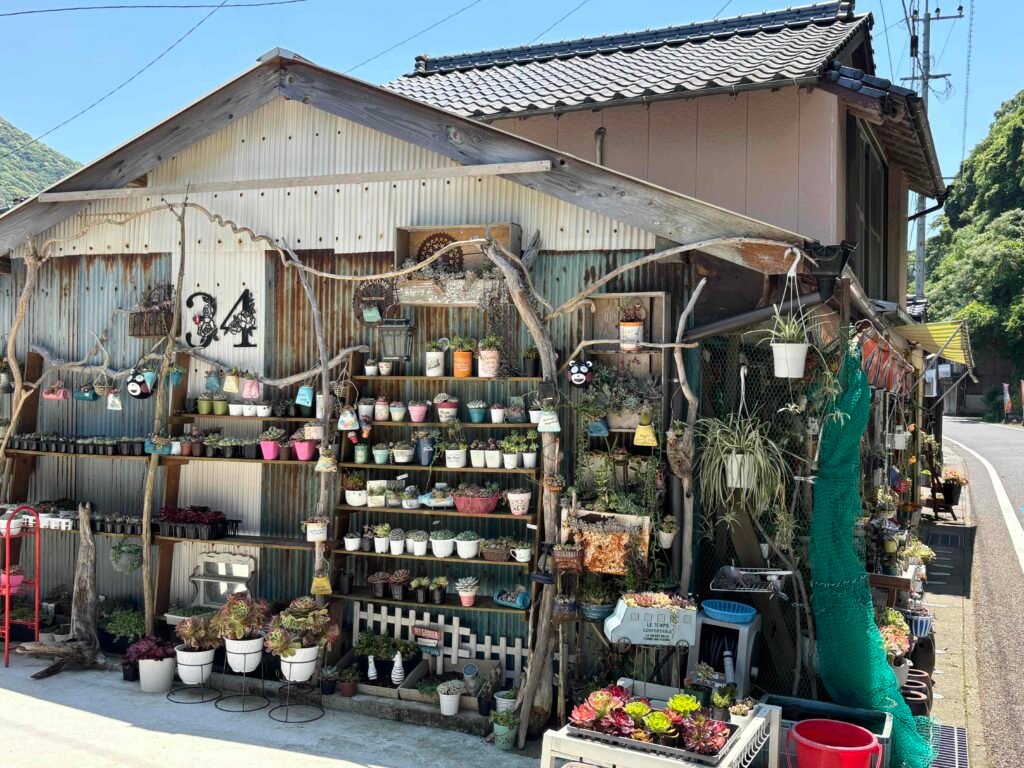
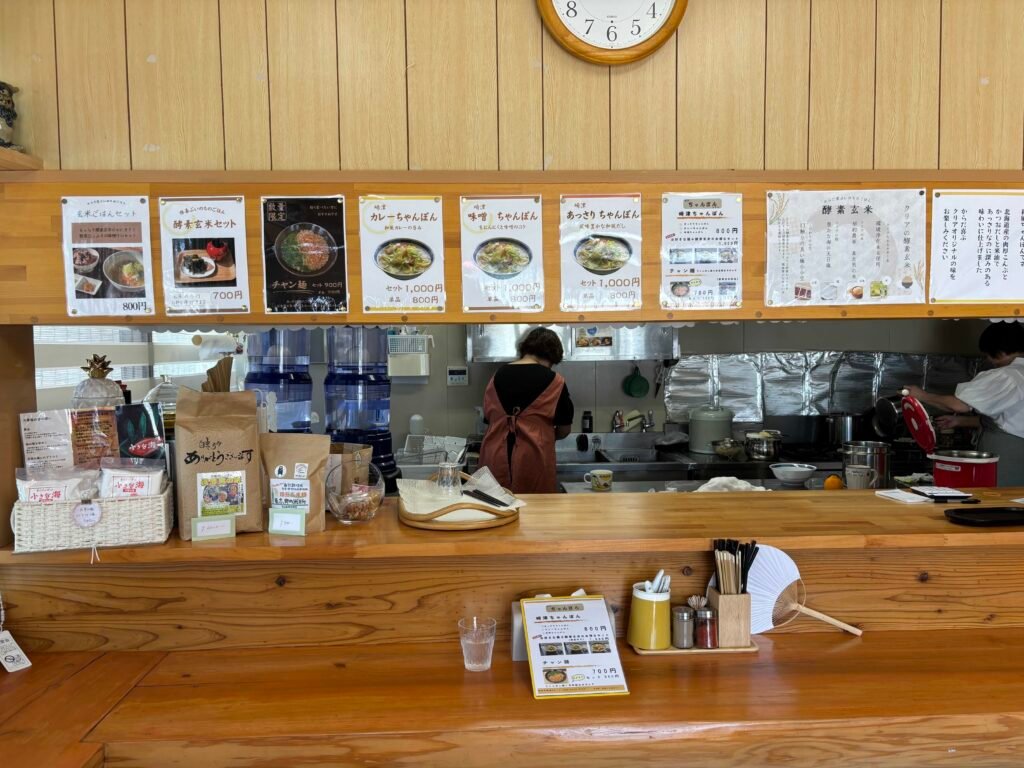
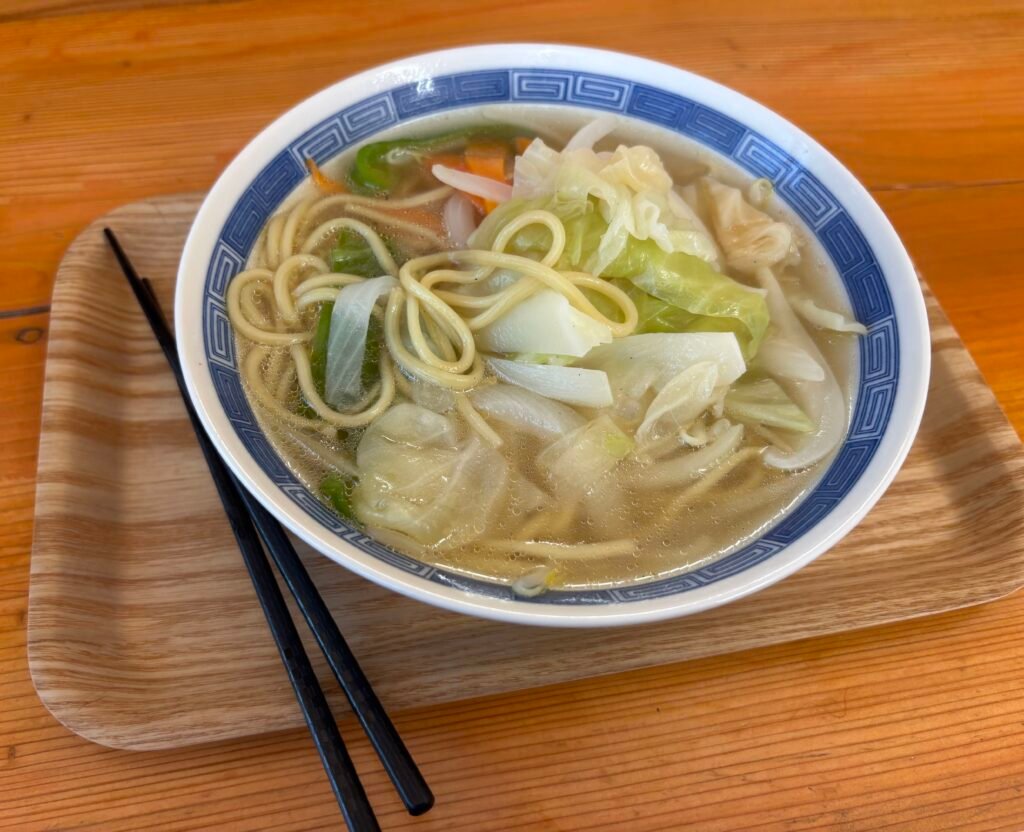
At the crossroads, there is an open noodle shop and I stop in and using sign language and Google Translate order a bowl of vegetarian noodles together with a side dish of high quality brown rice cooked with black beans. The women running the shop are very patient with me.
Our tour of the town includes the local Shinto Shrine as well as the famous church, the front half built of concrete and then, when money ran out, the back half made of wood.
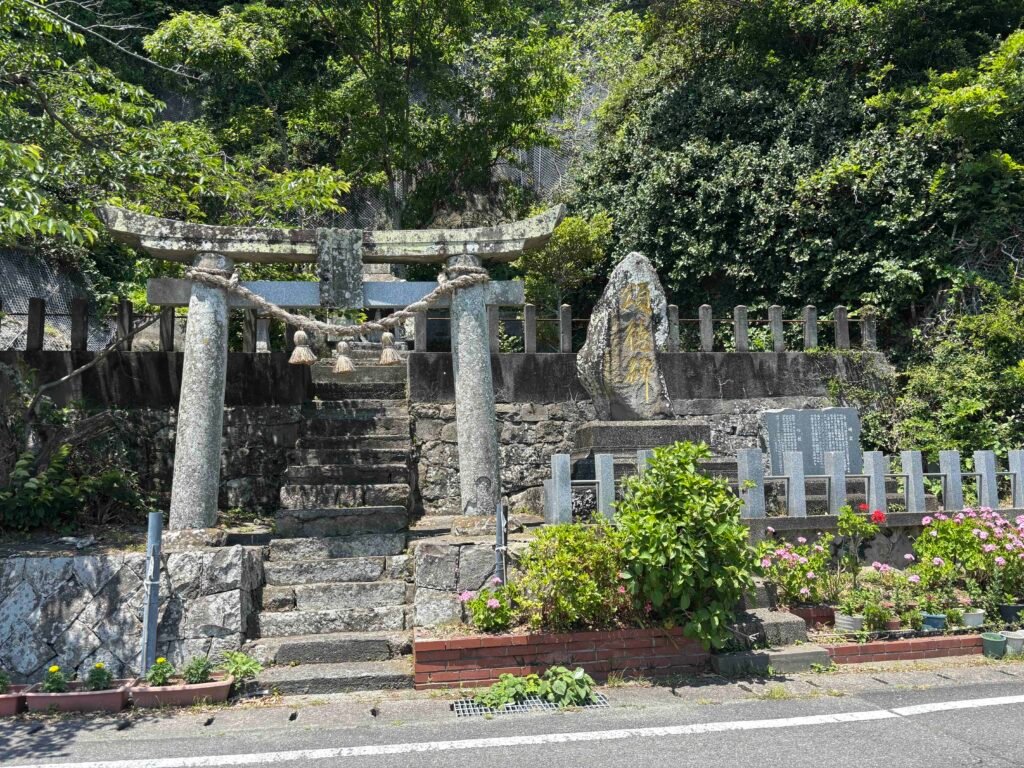
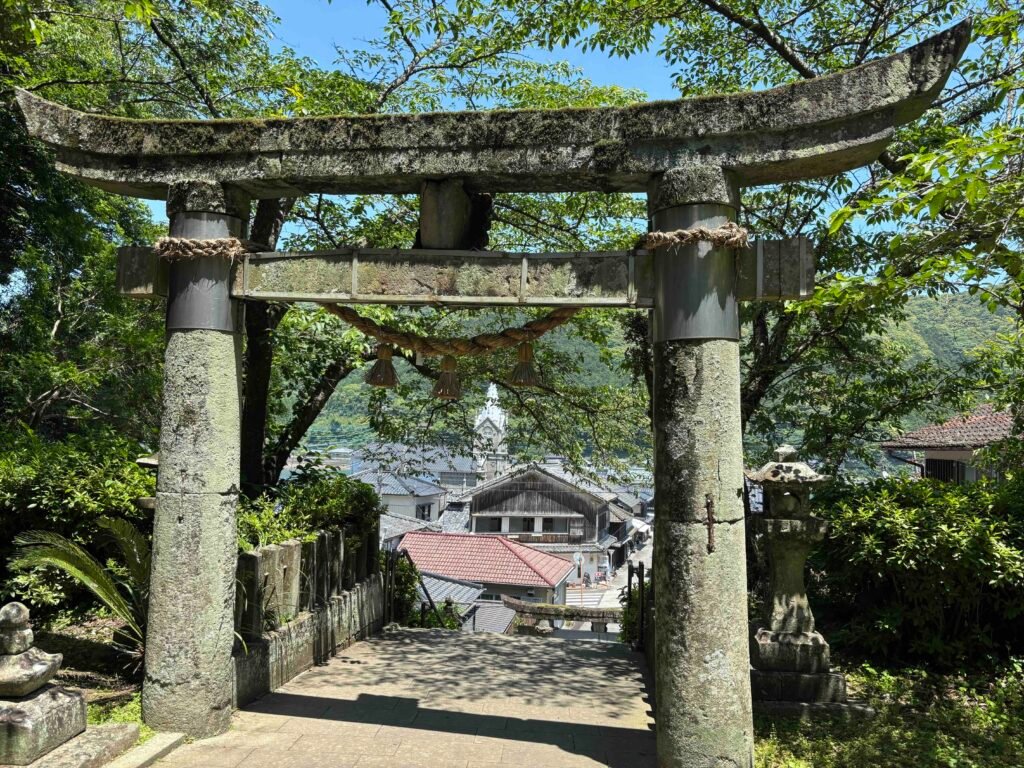
At the church we are given a great treat of a concert of baroque Christian music played in medieval costumes with authentic instruments by a group of about 8 local participants including a truly high level soprano who led the group. The acoustics inside the church were excellent and the music was very beautiful.
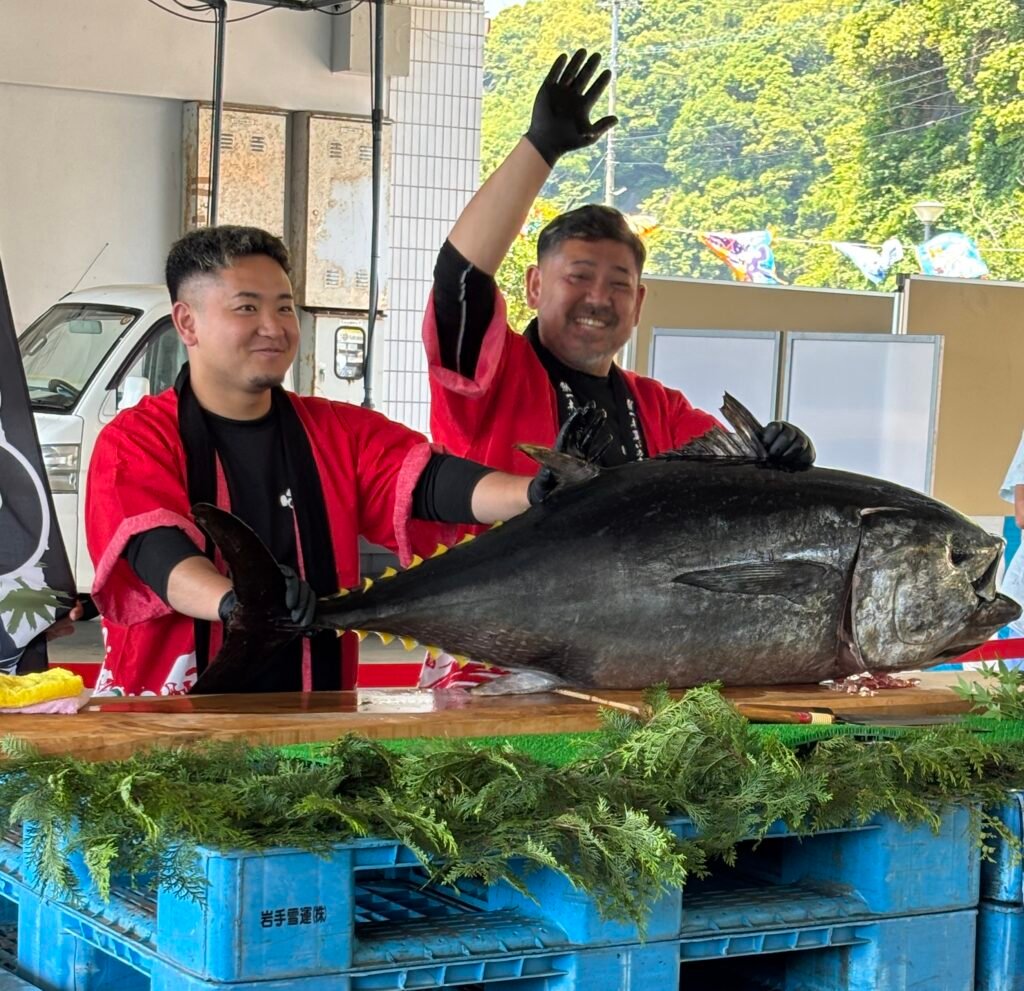
Back at the pier the other guests from the ship have arrived and we are about to watch some performance art with a practical application: the carving of a large tuna by expert chefs, a father and son who learned their art from the prior generation. Later in the afternoon we are privileged to have plates of fresh nigiri sushi (fish on top of rice with wasabi), four kinds, served to us on the top deck of the ship. The tuna is the best of the four varieties.
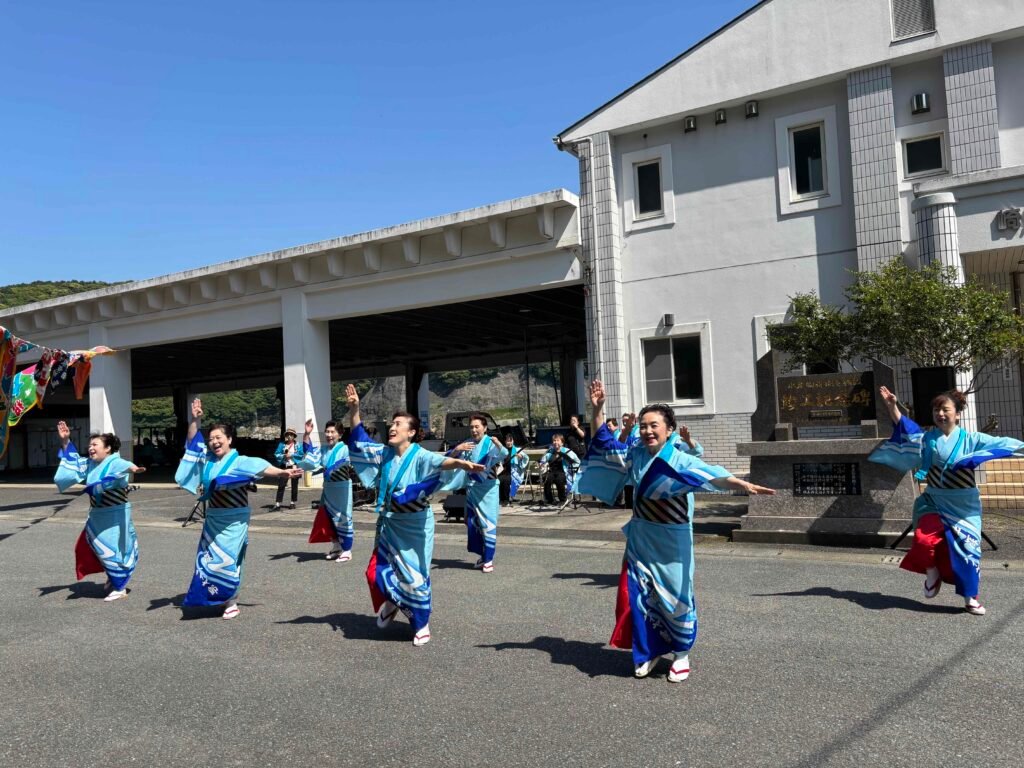
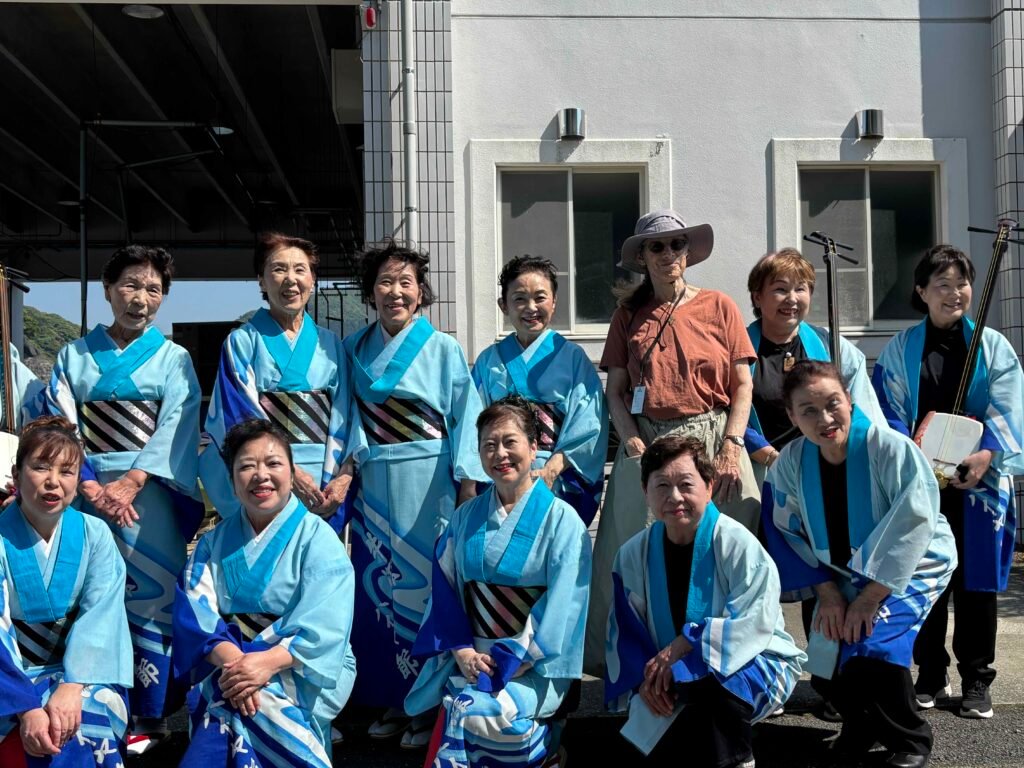
But before we leave Sakitsu, we are treated at the pier to a traditional dance and music outdoor performance by the local women, of all ages It is a very high pitched amplified singing but the women’s gestures, with kimono, are graceful. I am asked to dance with the group and I do so.
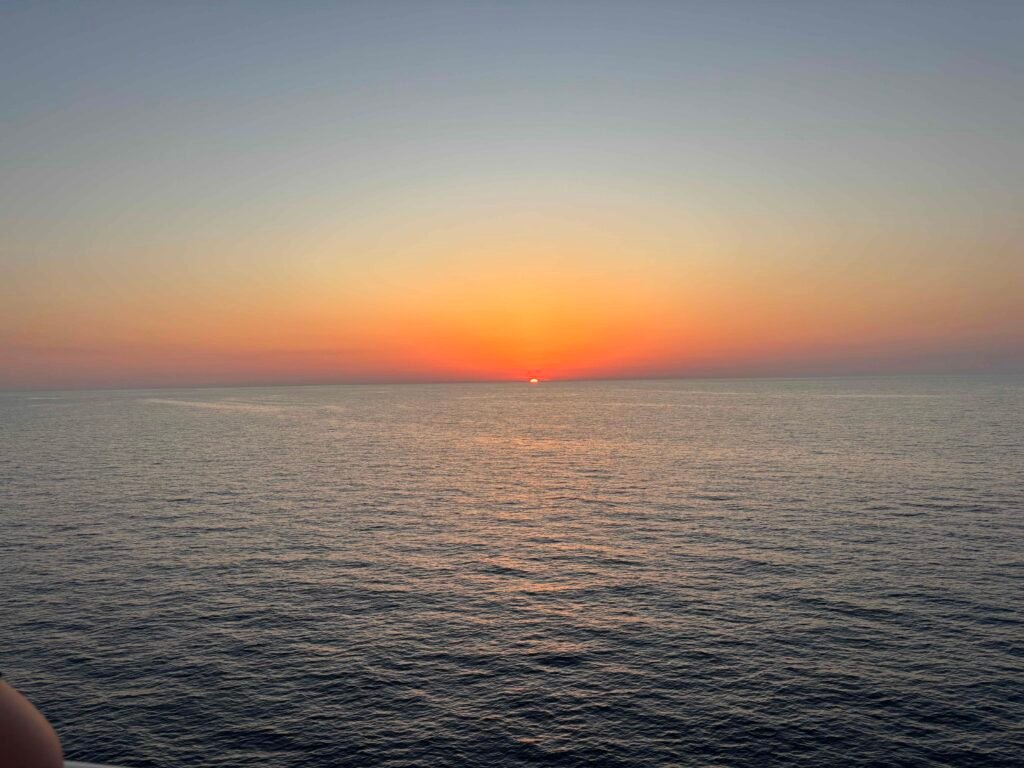
The day ends with a perfect sunset over a clear sky and calm ocean and then another delicious dinner. I am continually in awe how the maitre’d and cooks are preparing food that fits my difficult diet, no or very low salt. The result has been that my blood pressure has been very good – better than at home – perhaps due to the level of relaxation and enjoyment I have been experiencing. I don’t participate in any night-time entertainment or activities and am in my cabin by 9:30 getting ready for my comfortable bed.