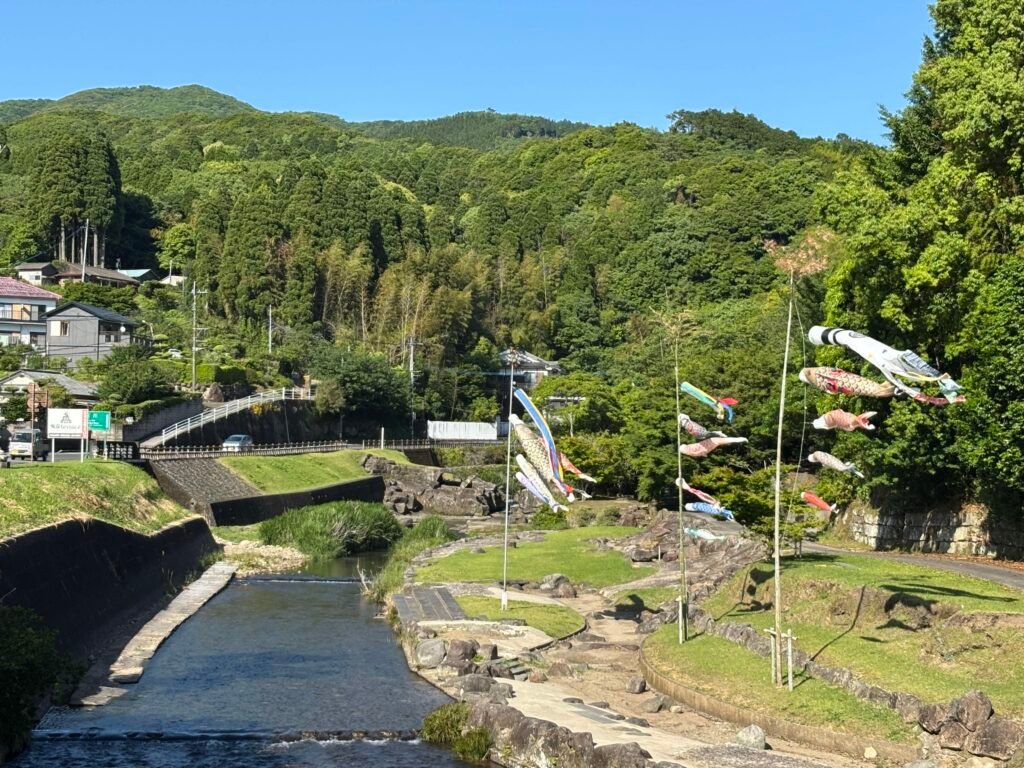
Day 8. The Volcano of Sakurajima, the Chiran Peace Park and Samurai Gardens
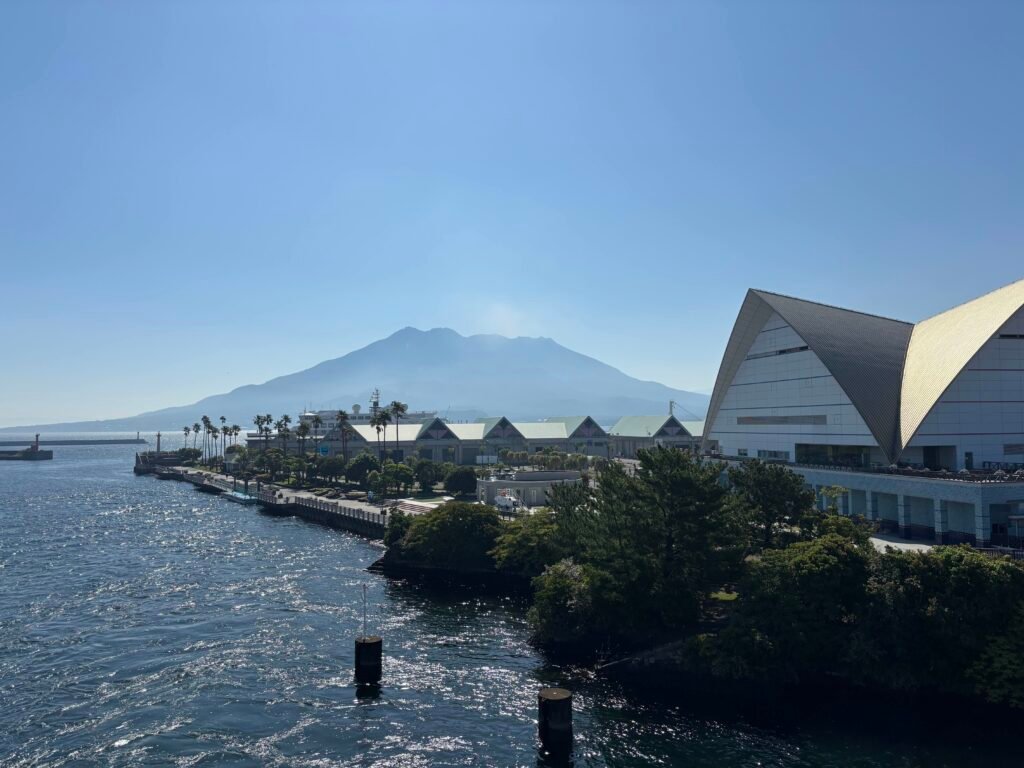
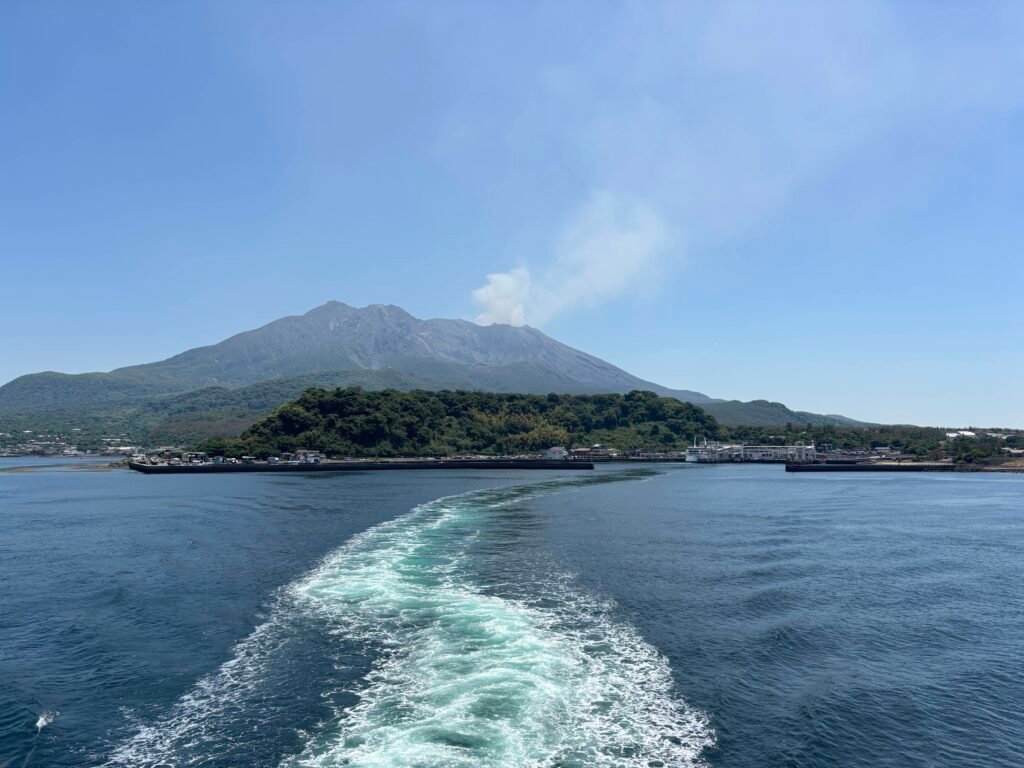
The common visual depiction of Japan often includes the perfect coned shaped Mt. Fuji, with top covered in snow. On a small island opposite the city of Kagoshima on Kyushu Island, half the country south of Mt. Fuji, is another volcano seen by more people on a daily basis — the smoking eruptions from the live and active Sakurajima Volcano. The main shape is comprised of a North and South cone, the former now dormant from an earlier time and the latter still being created by present eruptions, which happens several times a day, often just white smoke, as we saw, and then sometimes blasts of grey ash from a fiery turbulent interior.
In 1914, the 20,00 local fisherfolk on the small island of Sakurajima were concerned by a number of signs of volcanic activity and discussed them with the government scientists responsible for watching for fresh movement. These officials told everyone to stay calm and that nothing was imminently dangerous. But the locals, with generational memory, nevertheless evacuated the island and then the massive eruption happened, covering about 25% of the island with lava. The main casualties were the non-local folks who stayed behind.
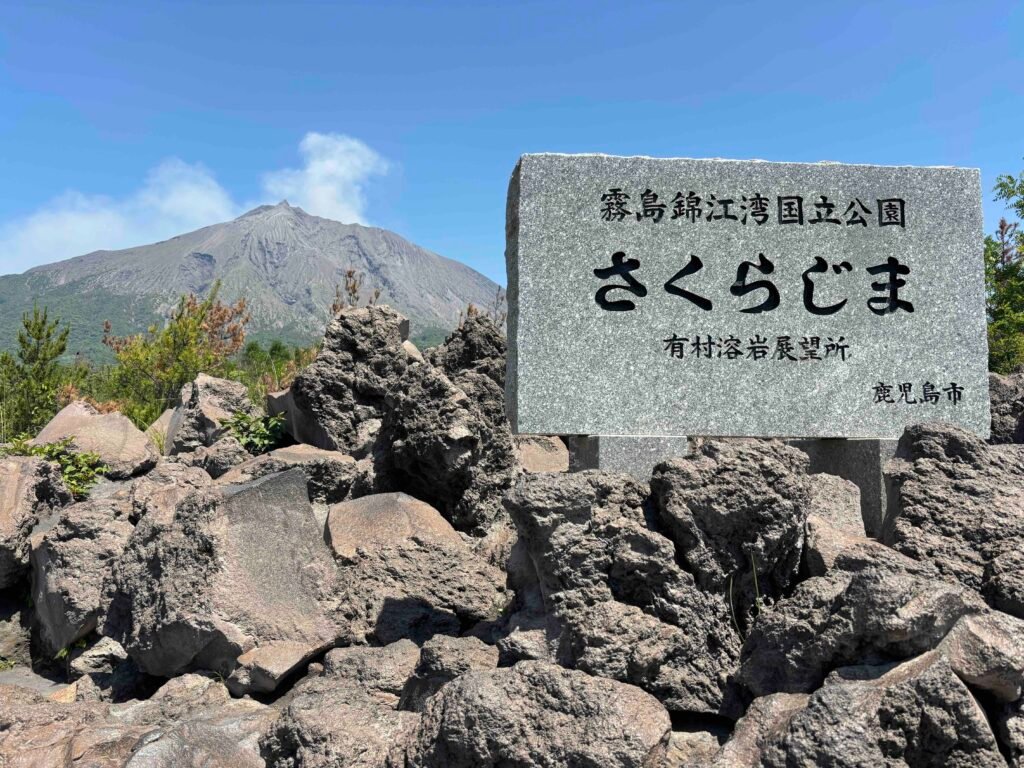
Today Sakurajima is part of a national park and observatory, with several hundred inhabitants still fishing and watching for the mighty mountain to speak again. We traveled by ferry over a calm sea from the pier in the modern urban city of Kagoshima into a rural setting always at risk of extinction. The modern detection equipment now installed will hopefully give warning of any imminent dangerous awakening of the earth under the island. Beautiful in its bare beauty, calm when we arrived and emitting white smoke by the time we walked up to the observatory point and then down again.
I ask if the continuous smoke has impacted the inhabitants health. The guide said that studies have shown the smoke does not create more asthma or respiratory disease but sometimes if there are larger ash particles, masks are worn. Some would say these island folk are foolish to risk living in such a volatile place. But who am I to think such a thing as I live near the San Andreas fault in the Pacific Ring of Fire and recognize that we choose our risks in life and balance attachments to home and family against regional issues of weather and earth movement. Life is always a choice of priorities as security is a state of mind.
The afternoon, is a very different experience, a visit to the Chiran Peace Park, honoring the 1100 men who sacrificed themselves as suicide pilots, the kamikaze, toward the end of WWII.
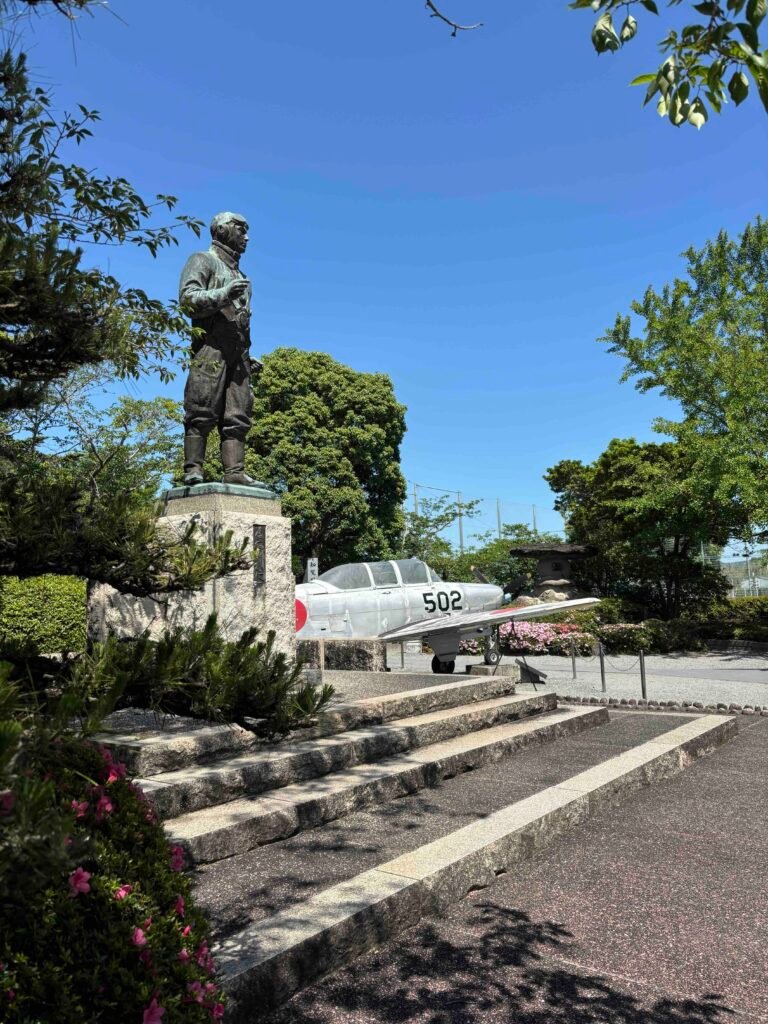
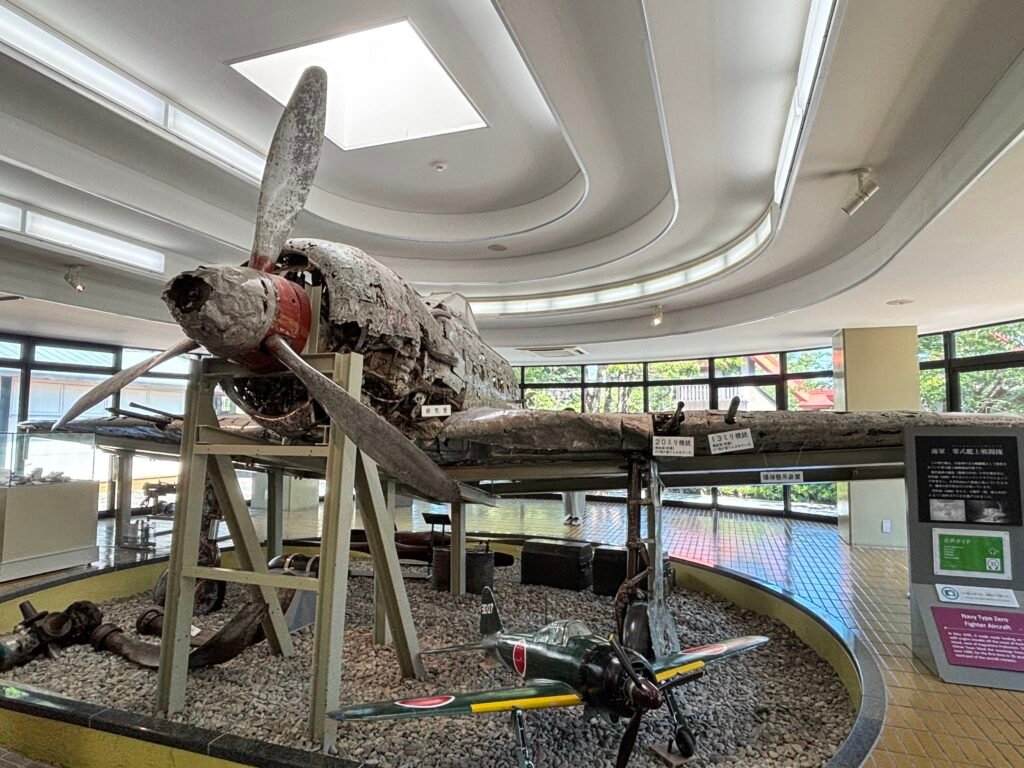
Some of us visiting this park, with a stone lantern for each of the men who made the ultimate sacrifice for their country, and a traditional Shinto shrine to pray for them, thought it was more a park glorifying war and the act of martyrs, brainwashed in youth to die for their Emperor and country. There was a well arranged museum, with the last letters of the men to their families and photographs of the 18-32 year olds, with an average age of 22.5, smiling as they set out to end their lives. What was missing was mention of the horrendous statistics of the battleships sunk and the Allied forces, most of them American, who died by the action of these men.
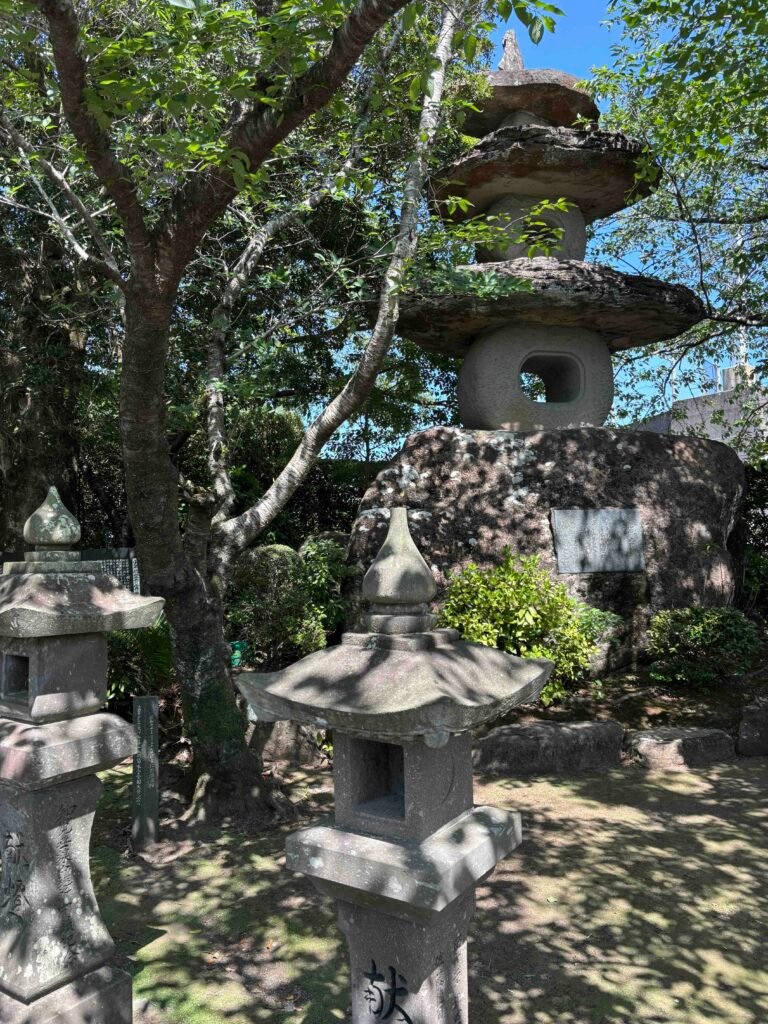
As far as the logistics of war, it was a brilliant move on the part of the Japanese tacticians, to raise and groom a cadre of young men with the dream of dying for their righteous cause. But history shows that their leaders knew they would lose the war at that point and senselessly sent these men to their death. I understand of course how the families would like their children remembered – but they did not die for peace. Soldiers in battle never die for peace but for the values of those in power.
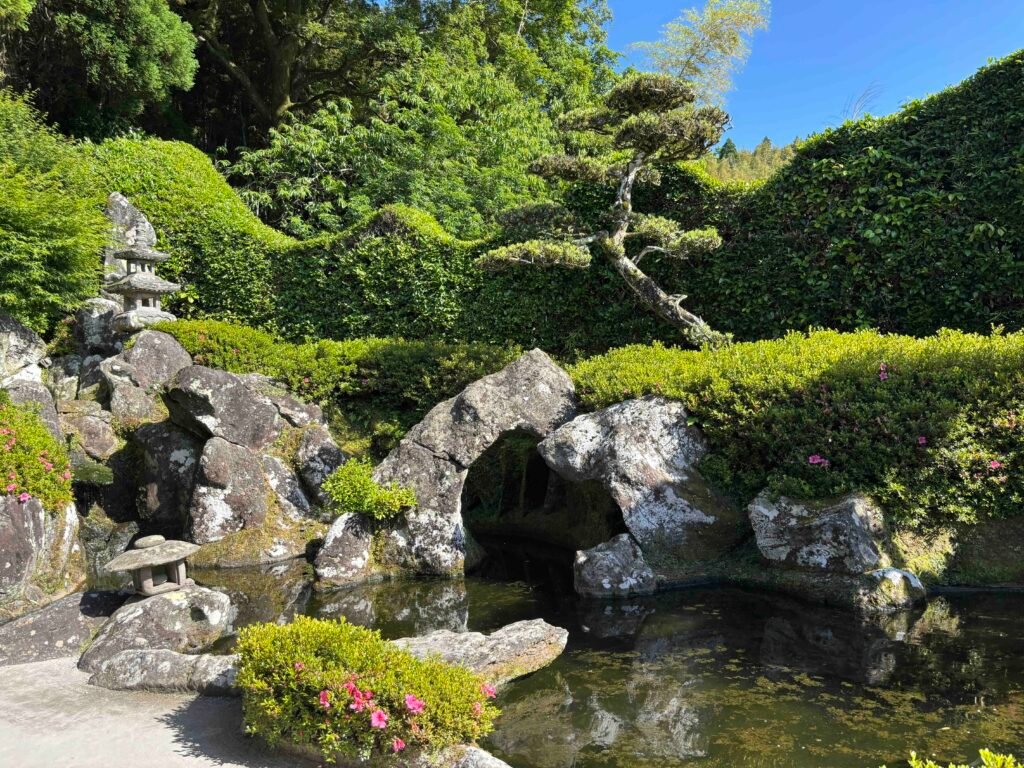
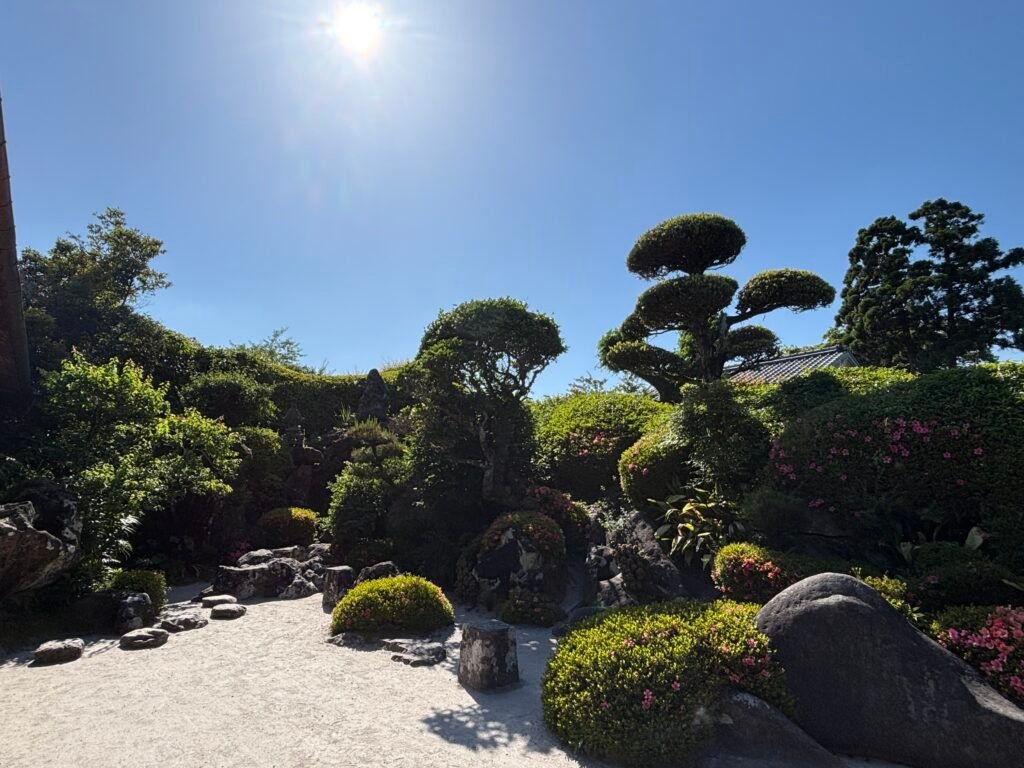
We all left the Chiran park somberly, and drove nearby to the traditional homes and gardens of the old-guard Samurai of the region. These are homes that were handed down from generation to generation since the end of the Shogunate times and beginning of the modernization that came with the Meiji era. Most were modernized and many still lived in, with classical Japanese gardens, depicting hills and lakes, carefully shaped trees and carefully manicured landscapes. Spring is over and the summer flowers are coming in with only a few azalea for color. Our guide mentioned to us how the Samurai did not like camellias, as they all turned brown and fell in one piece, just as they themselves did in battle. They preferred the sakura, cherry blossoms, whose leaves changed more slowly from pink to white and then drifted down, petal by petal, as the Samurai hoped would happen to them in old age.
Back on board our ship, we celebrate our next to last night together with a Captain’s farewell and a thank you to all of the staff who have been so wonderful to us on this memorable journey. I do my last wash in the so-useful launderette before going to bed — recognizing I will need to pack tomorrow night.