
Delhi, India, always has surprises in store for the visitor. On this trip, whose central focus for me was a legal conference I was attending in Aerocity, allowed me to visit the new versions of some places I had previously visited. Aerocity itself, built on a plot of land near the main airport, is a world apart from the city’s Moghul history. Large sparkling new office buildings and hotels on well paved streets, with a guarded entrance and exit so that its streamlined sterile facades and beautiful restaurants are the fantasyland of India.
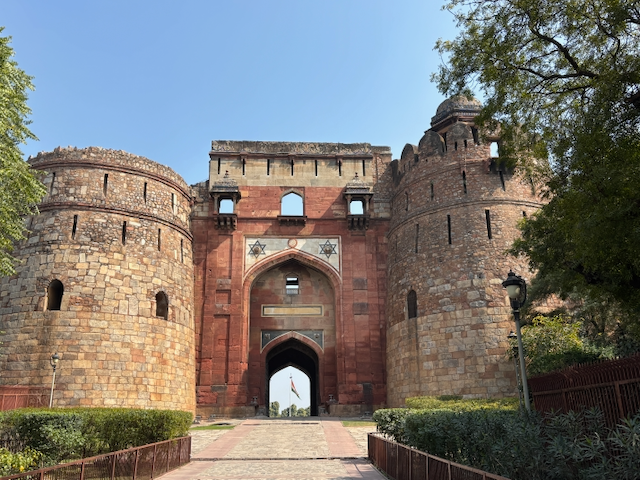
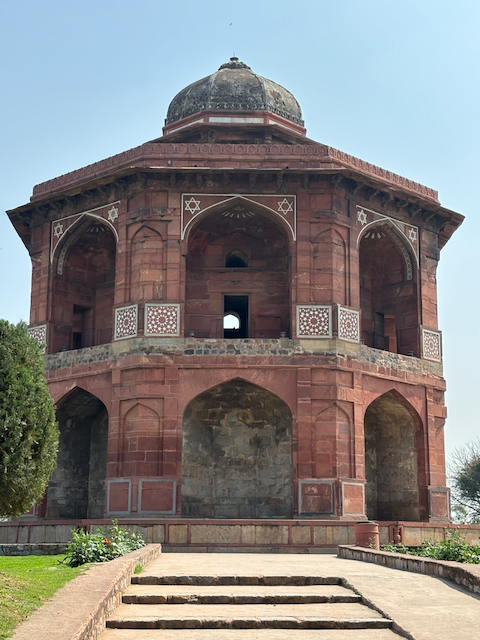
But a 45-minute chaotic ride through heavy traffic, allowed my friend Robert and I to step into the 16th century world of the Purana Qila, the Old Fort. The small archaeological museum there displayed findings from a 1969-73 dig and was the first step in a long reconstruction and conservation project of the many buildings where the Mughal emperor Humayun lived as well as an octagonal library building from which he fell down its stairs and died at the age of 47.
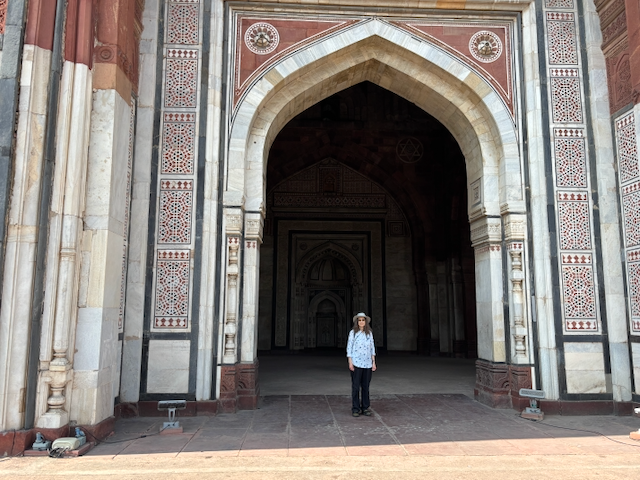
Its largest building is the well-preserved mosque built in 1541. However, I was ignorant during this visit of this site’s more recent history which was not disclosed in any way — that in WWII it was used to house over 2000 Japanese internees in thin tents under very poor condition who had been living in British territories, mainly Singapore.
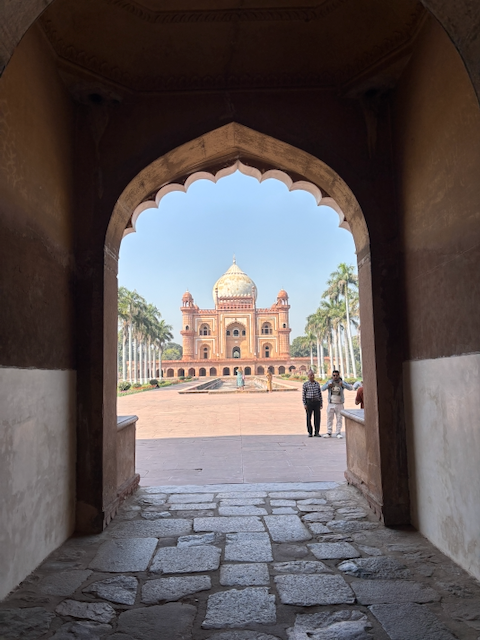
Humayan is now better known for his tomb a few kilometers away, the largest of its kind at the time and the basis of Mughal architecture, on which form the later more renowned Taj Mahal was based. It was created with red sandstone with white marble for the dome and black and white marble for inlay. There was recently built a very fine underground museum discussing the impact of the Mughal aesthetic on the development of Delhi over Time. This museum and the beautiful green gardens now surrounding the well conserved buildings are the result of grants from the Aga Khan Foundation and others. It took a great amount of outside money which I expect the HIndu government of India was not willing to spend to bring these buildings back to life. The museum includes the history of the area, including the use of Humayun’s Tomb site for refugees during the post-partition resettlement period. But no word was mentioned of the Japanese internees held at the nearby Purana Qila.
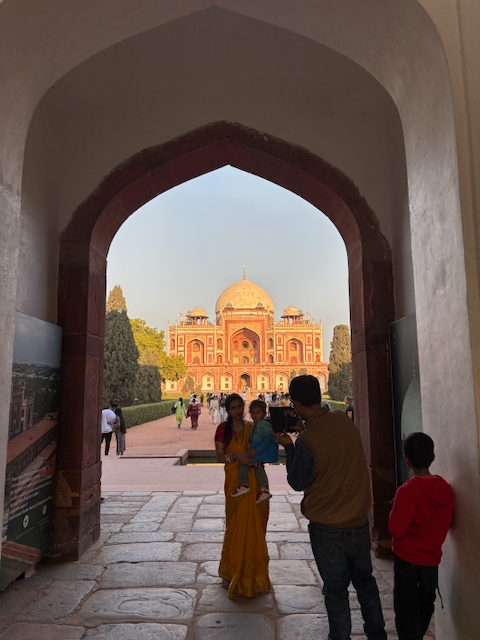
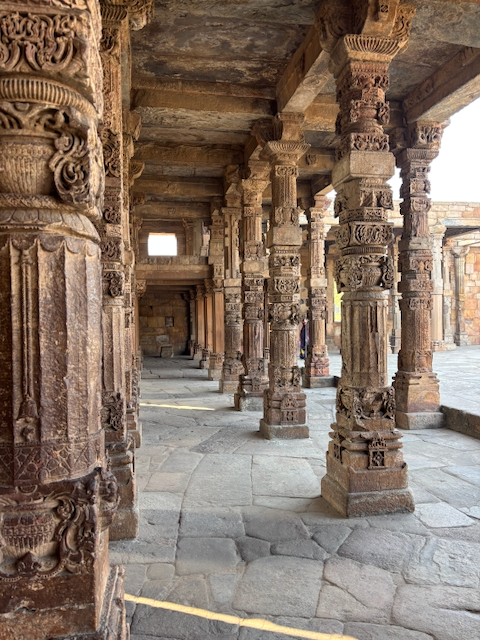
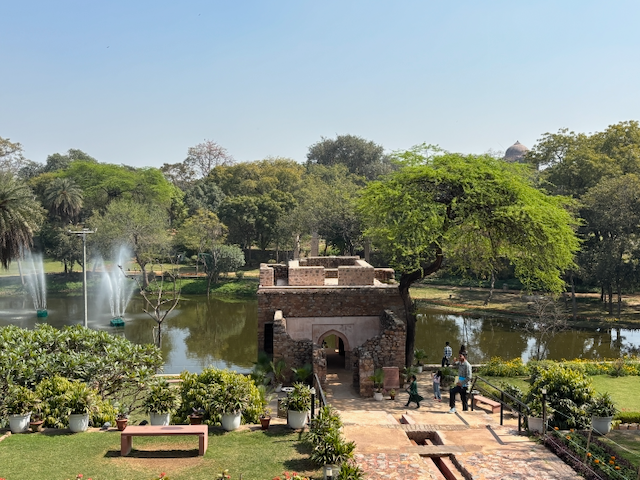
Other old monuments have also been considerably renovated and upgraded since I last visited them. There are large numbers of local families visiting as these are now very inviting green spaces – and few tourists are in sight.
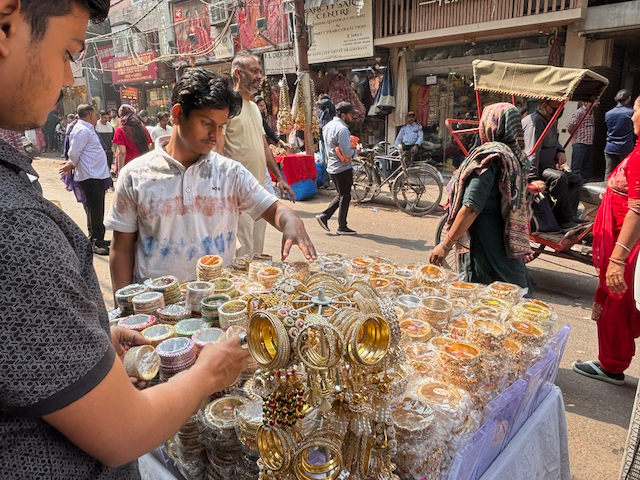
The Chandni Chowk area of Old Delhi has changed little in the last 60 years, with thin underfed men still carting huge bales of textiles on their backs and the aromas of the large spice market mixed with odor of the fried paratha breads and the refuse of the first quarter of the 21st century. Narrow alleys are lined with sumptuous wedding silks of brilliant colors. Commerce in all its glory.
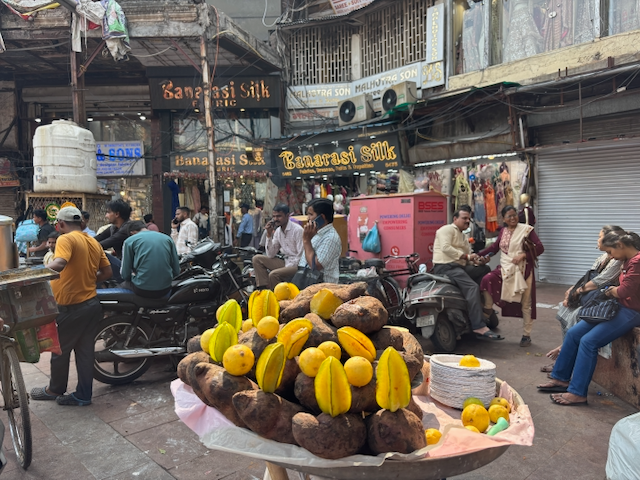
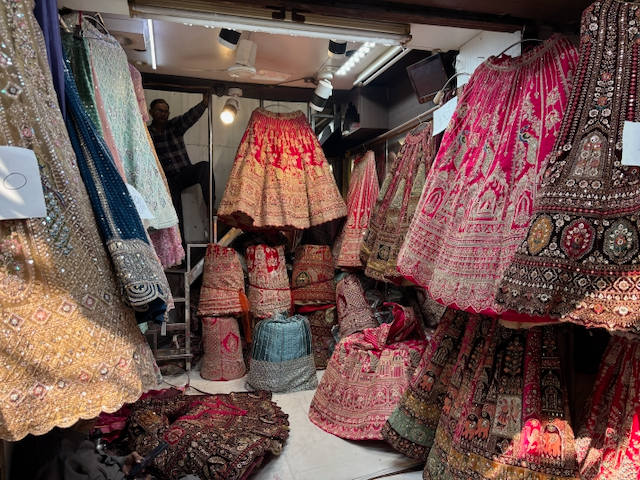
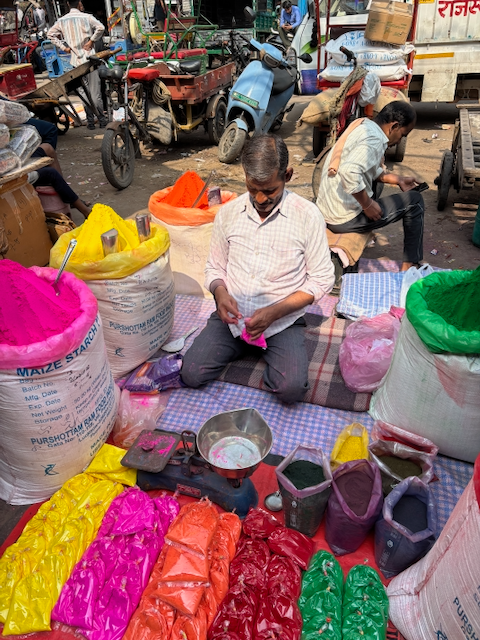
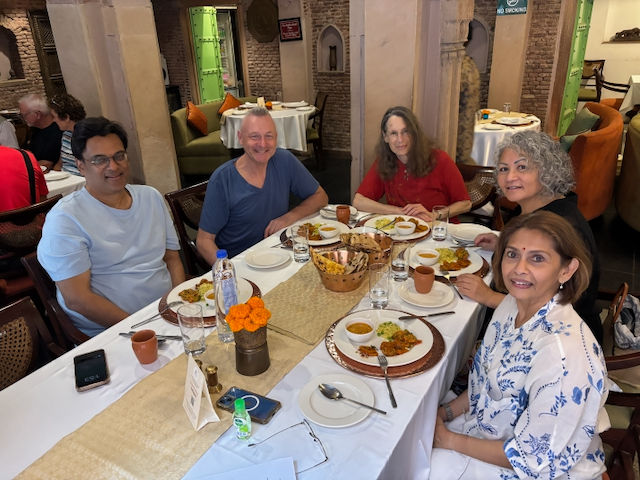
In one of the small narrow lanes is the Haveli Dharampura, a remodeled wealthy home, where I had been a few years ago and to which I now brought some of my friends from France and Malaysia for a curated 7-course vegan lunch which surpassed my expectations.
The intense traffic in Delhi continues but the bicycles, bullock carts, motorickshaws and cabs directed by police in traffic circles have been replaced over time by new cars and electric buses although the green and yellow 3-wheeled motorickshaws or “tuk-tuks” continue as a major means of transportation. It seems quieter, less honking, traffic lights obeyed and working, but all create intense air pollution. The number of KFC’s are only outnumbered by the number of Domino’s Pizza huts. The largest percentage of advertising billboards, which formerly displayed the magic of Bollywood, now offer modern apartments in large new structures. It is a city alive and well and always interesting.