
It is Sunday morning and the Belmond Andean Explorer Train awaits!! But first getting there — I had understood we were to be there by 8 am and it was only a 10 minute drive from my hotel. But partway there we encountered a Sunday Marathon Run and it seemed every runner in the city was there with streets blocked off and honking buses and cars. My driver managed to find a long way around and stopped some distance from the station — as it turned out the station was the finishing point for the race and a big party was going on in the adjacent field. And when I got there — the waiting room for my train was locked solid. I began to wonder if I got the wrong date! At about 8:15 I could see through the window that someone was inside and knocked loudly and was finally let in. Only to discover that the time for arrival was actually 9 am. Phew!
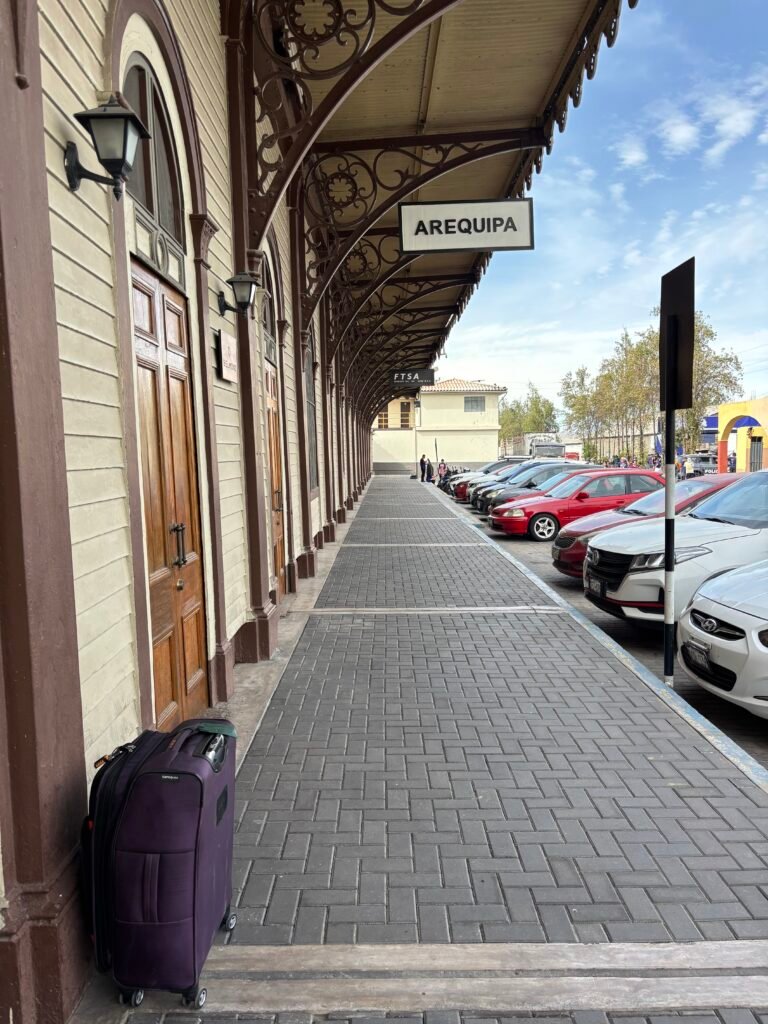
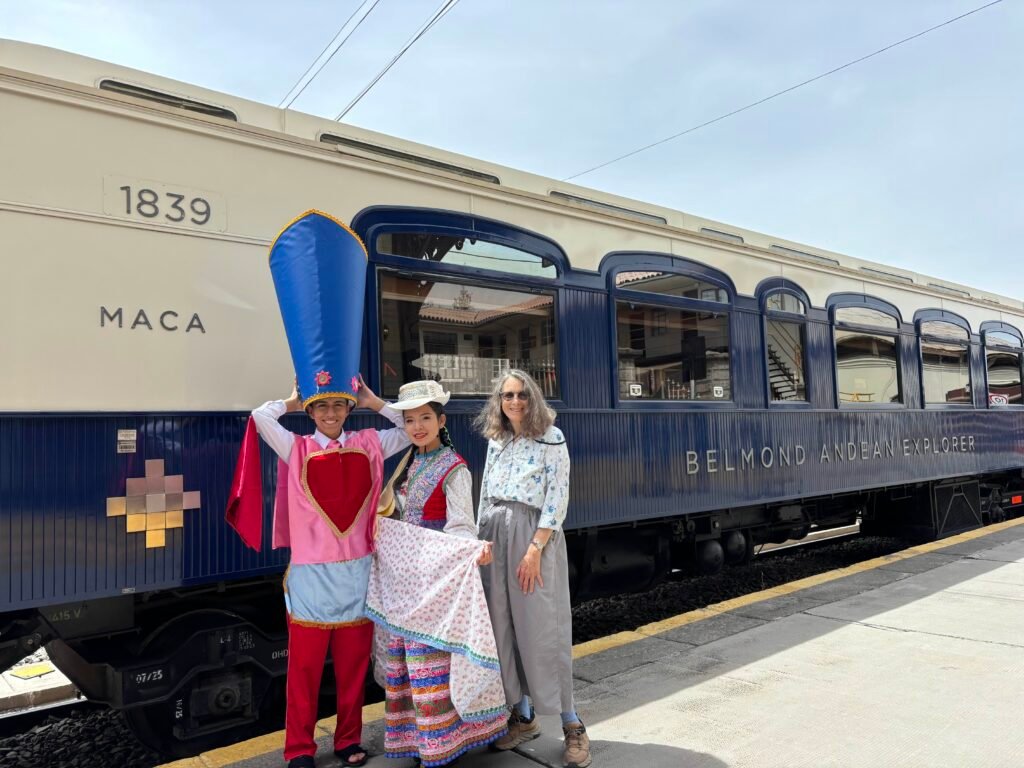
There was eventually music and dancers and drinks for the 18 passengers in the waiting room— the first of many festive events on this journey. The train is at the station and I was taken to my cabin where my luggage was waiting for me and took a walk through the train cars: decorated as a train from the late 1800’s, I found out later it was actually built in Australia in about 1990. Beautiful ornate metal work and plasterwork everywhere. The cabins were small but practical, outfitted with everything necessary.
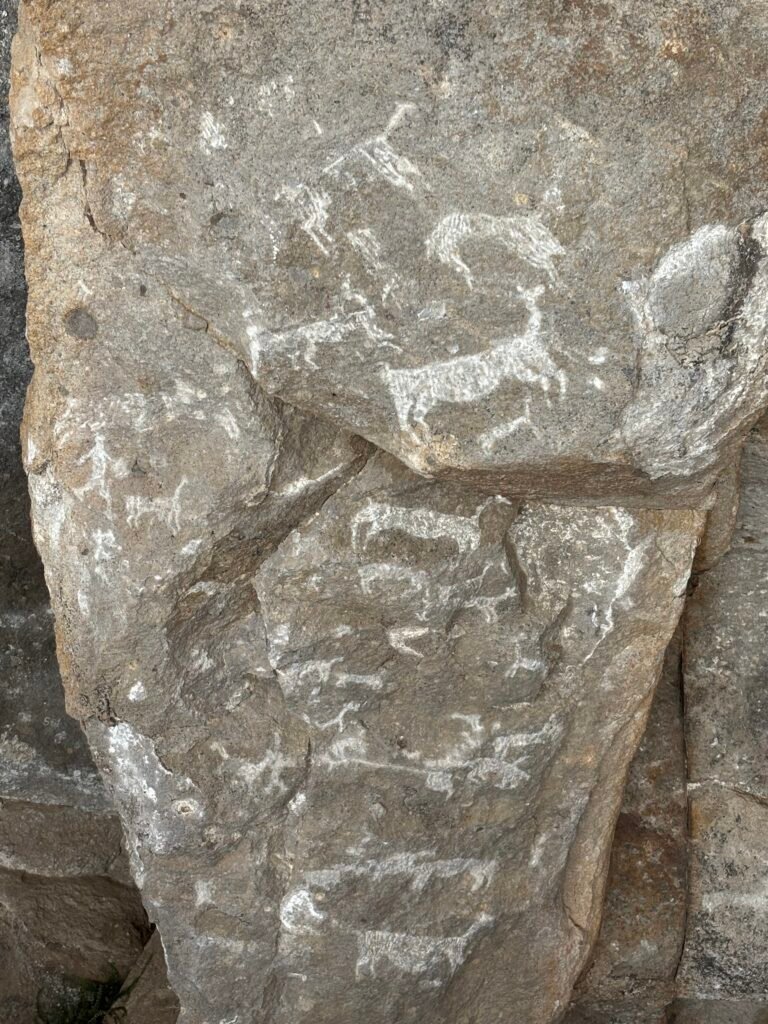
I had not studied our itinerary carefully so everything was a surprise. We stopped our first day at the amazing pre-historic Sumbay caves, named after a nearby community. The paintings on the cave walls, carved and then lightened with limestone, are the history of 6,000 to 8,000 years ago. Such work in Europe is heavily guarded or even off limits now to tourists. Down in a canyon but only about 10 minutes from a main road, there is one mild looking guard who unlocks for us the gate to the site. And there prancing across the stone cave walls are people, camelids, and hunters who lived 6,000 years ago.
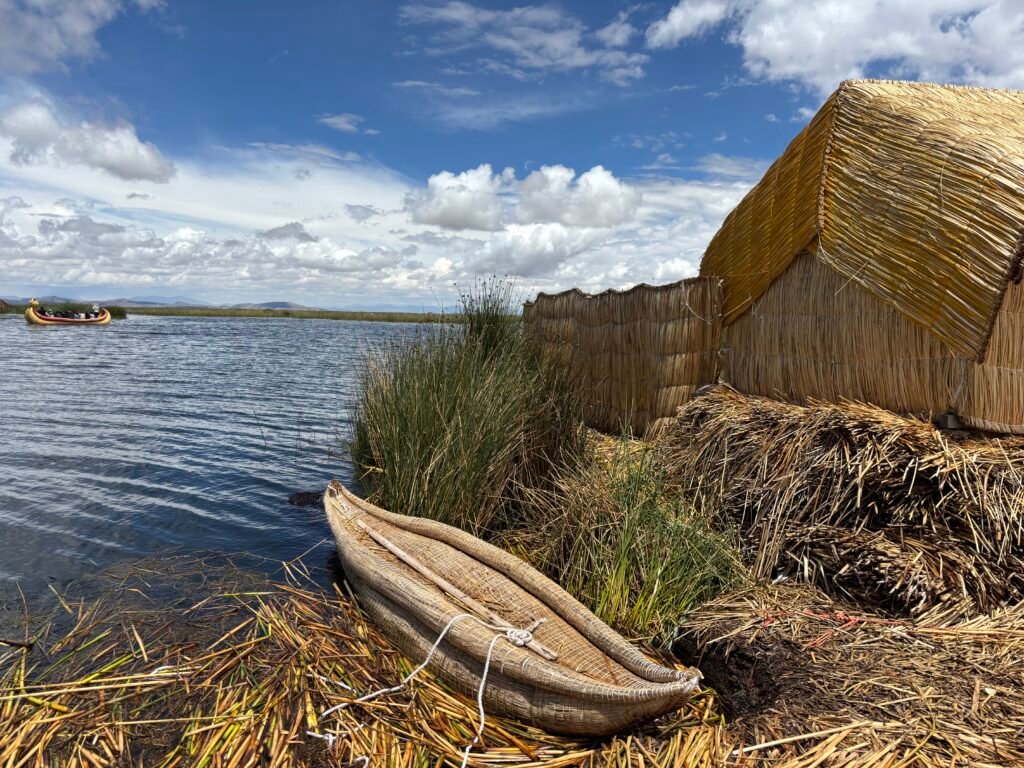
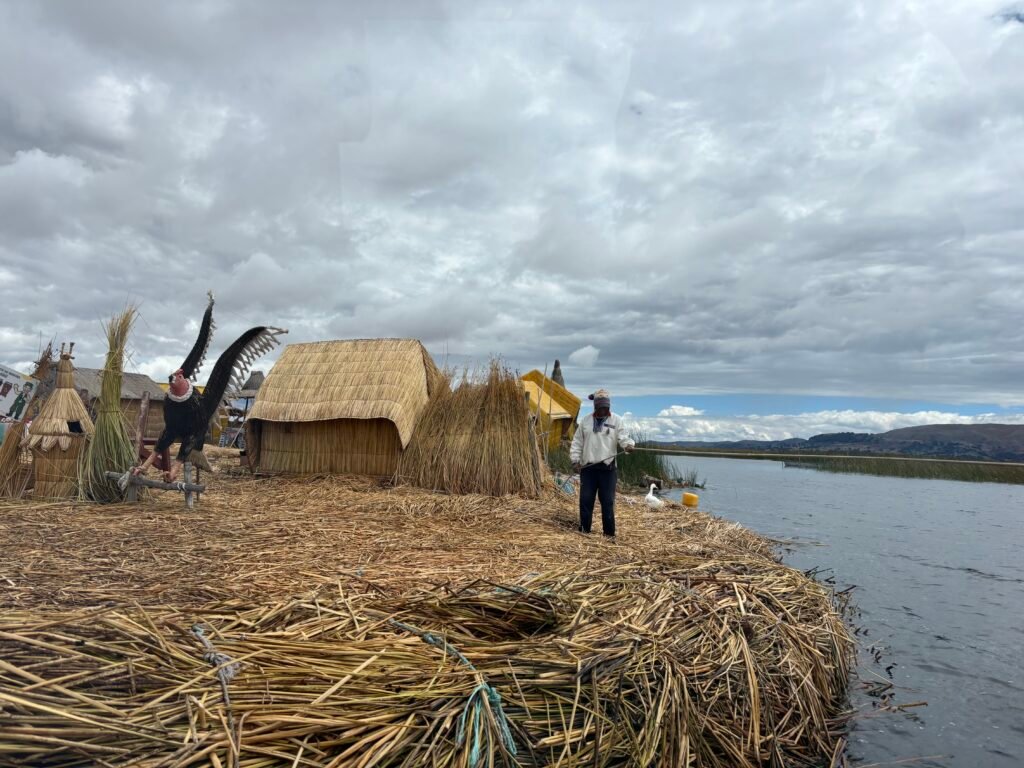
We traveled up to14,500 feet and then down a bit to our stop for the night. In the morning most of us left the train at 4:30 am to view the sunrise over Lake Titicaca, which unfortunately was cloudy at the time but allowed us to sit together over a fire pit in comfortable chairs with drinks and good companionship. After a very generous breakfast, we took a boat to the main cultural attraction for this area: the small floating islands in the lake, built by local indigenous groups out of reeds growing out of blocks of sod. The island we visited had 24 people and when I asked about schooling for the children, was told that a special island was constructed as a school for all of the various island’s young ones. The local people now rely on tourists buying their handicrafts, as well as fishing, so I felt obligated to buy a pillow cover with crewel work embroidery from one of the woman.
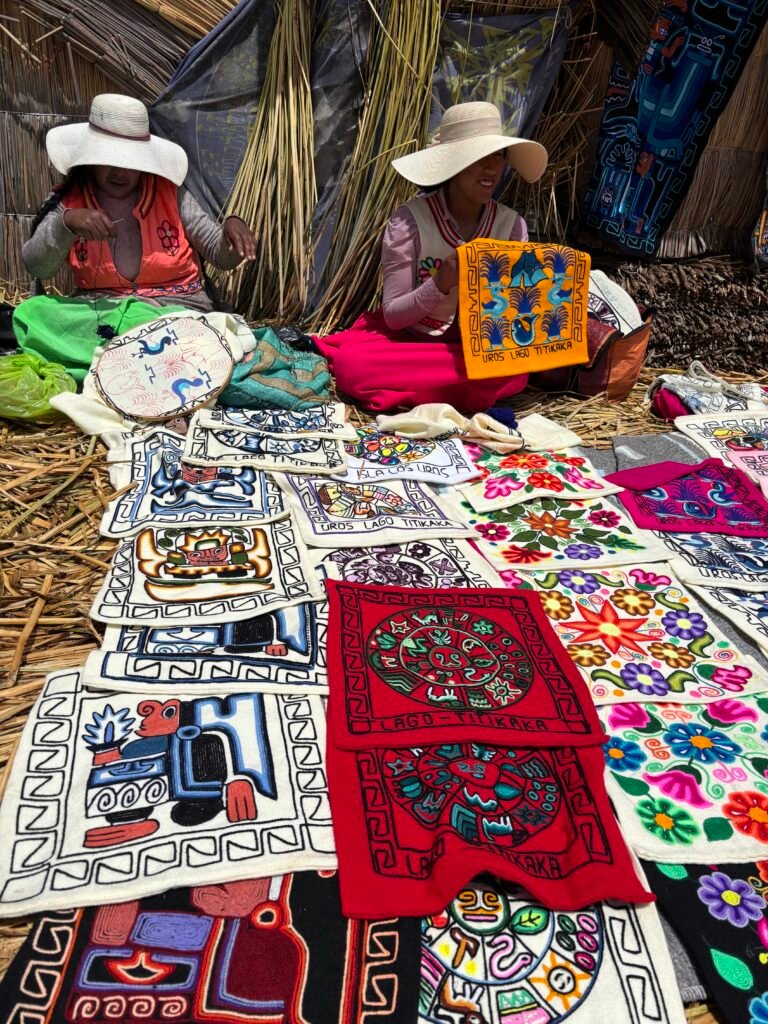
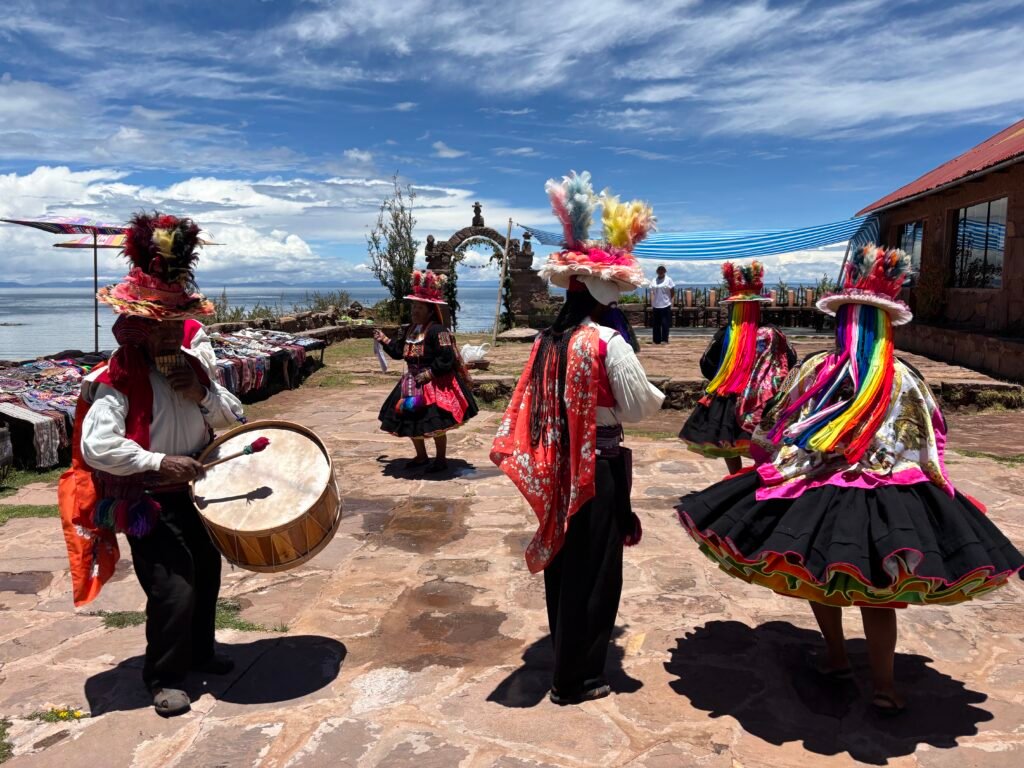
Our last stop for the day, after a considerably long boat ride in a speed boat on Lake Titicaca was to the large island of Taquile, with its own culture where we had lunch, were treated to local dances as well as some beautiful woolen products. Of course, I had to buy something there as well.
Sleeping at 11,000 feet was difficult for some of our group, but I managed without a problem, perhaps due to the altitude medication I took.
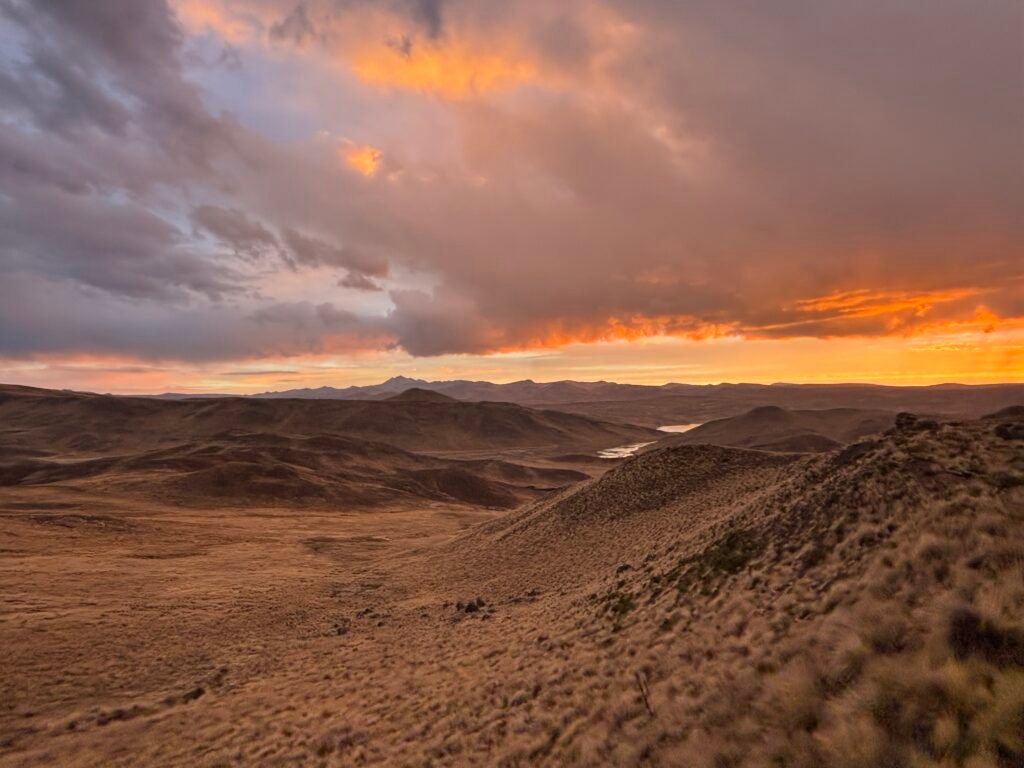
Beautiful views everywhere from the train of mountains and sky.
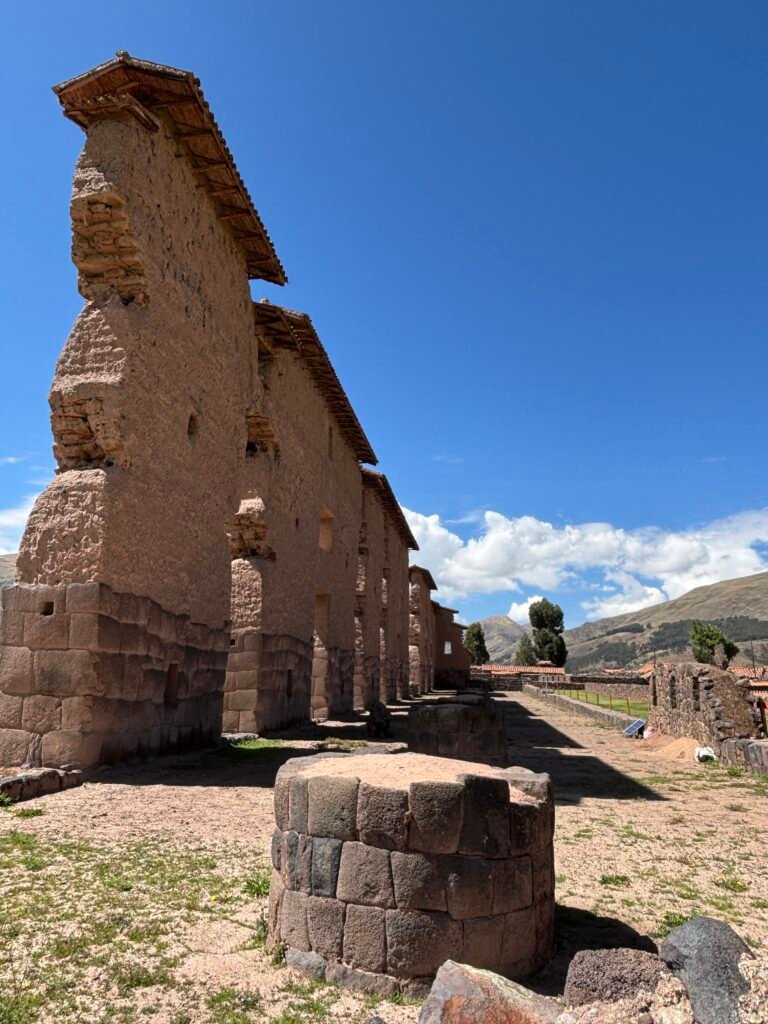
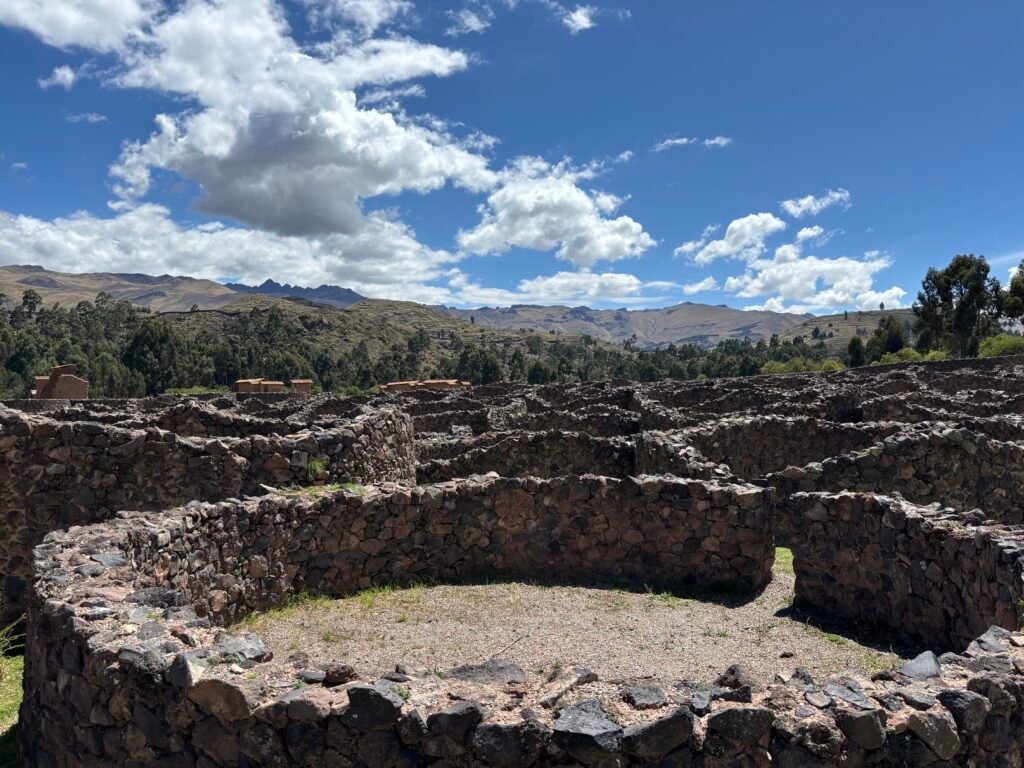
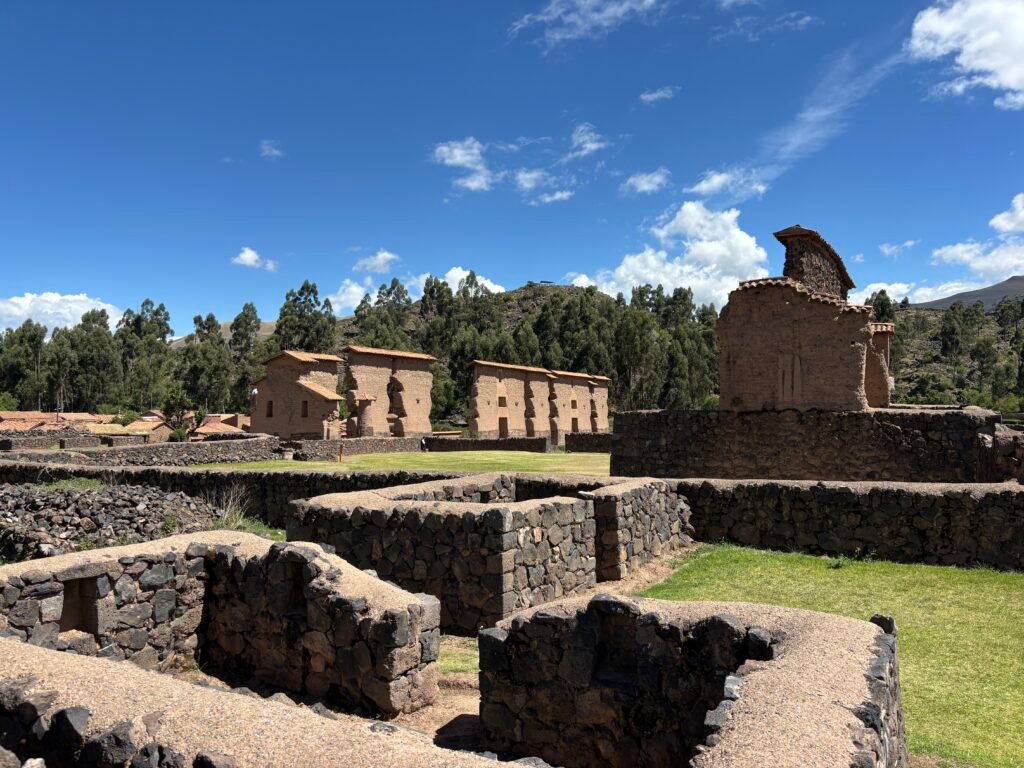
Our stop for our last morning was to the Raqui archeological site which, for me, was one of the highpoints of my trip. Although not in as grand a setting as Machu Pichu or with the impressive changes of levels and elevation, it was a remarkable site with the remains of an important Inca temple and 100 circular storage facilities. What made it especially memorable was that there was nobody there except our train group. Created in about 1450, the same time as Machu Pichu was built, its creation was due to the brilliance of the 9th Incan chief who understood engineering and developed a building style to withstand most earthquakes.
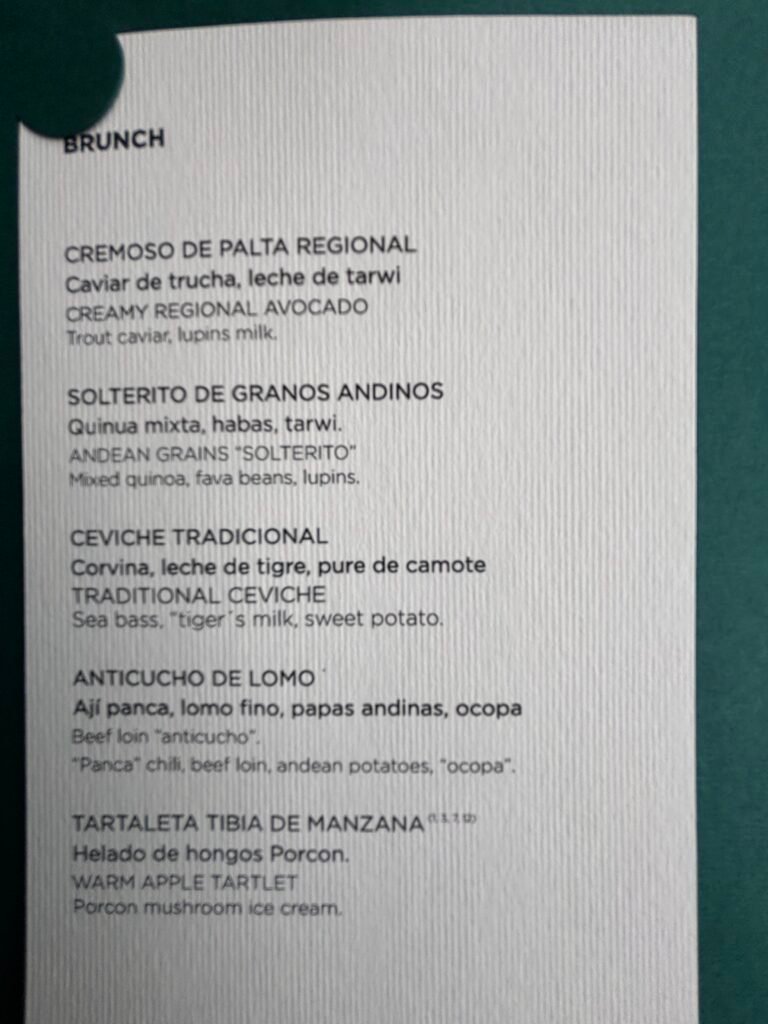
I failed to mentioned the meals on the train, each one a 3-course gourmet experience. The cooks worked hard to accommodate my special diet and I greatly appreciated their effort, patience and courtesy.
It was bittersweet to reach the station of Cusco in early afternoon and say goodbye to my companions on this train journey as well as Peru as I enjoy a last afternoon in Cusco and then head for the airport. I am ready for another Belmond train trip!